What the AfD’s victory means for German churches’ influence
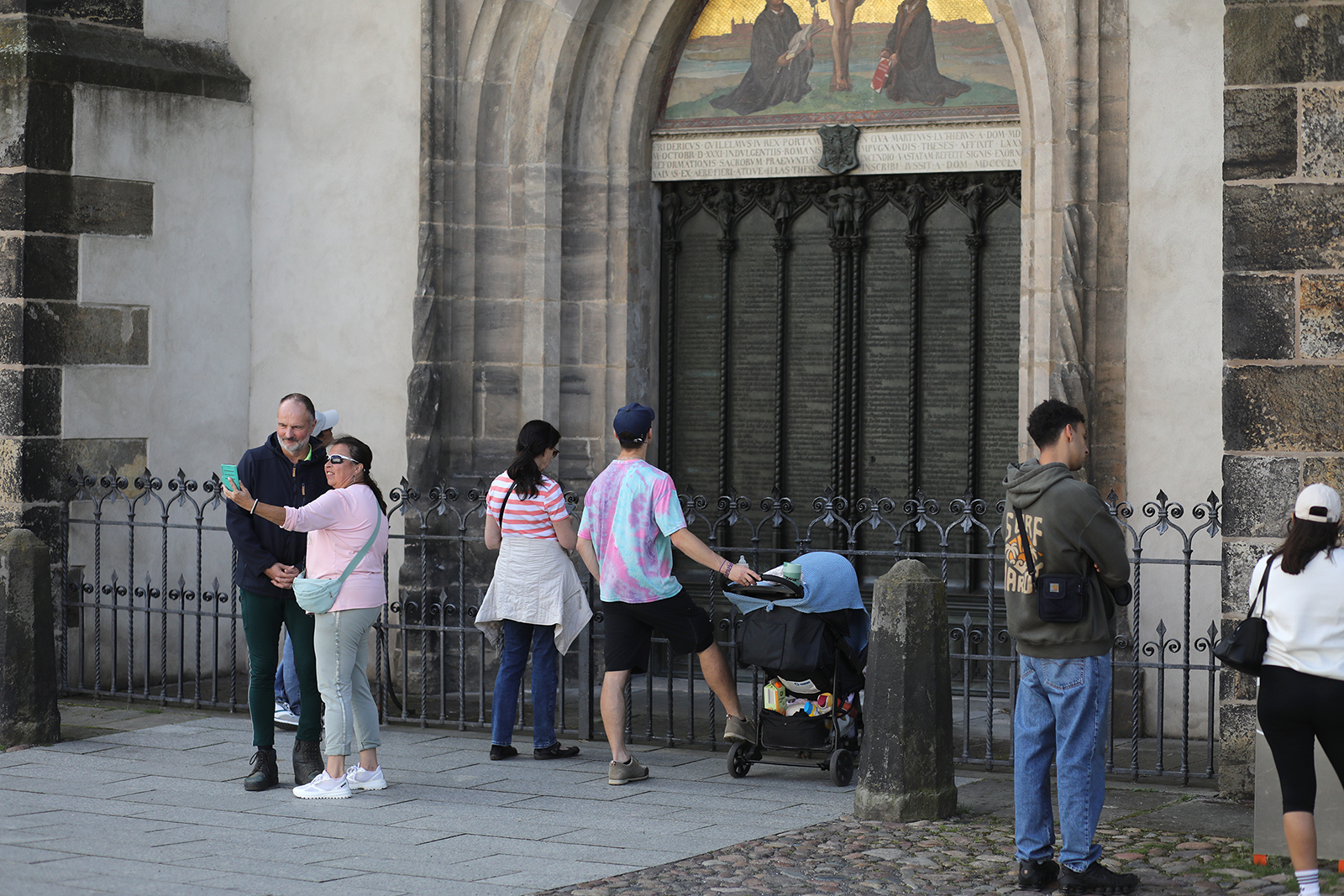
WITTENBERG, Germany (RNS) — The sun was setting over the birthplace of the Protestant Reformation, and polls were set to close in an hour for a high-stakes election in Saxony-Anhalt, when the youth choir paused from singing to take a stand.
Standing in front of the tomb of Martin Luther, Charlotte Bentlie, a singer in the 35-member choir, called out the Alternative für Deutschland (AfD) Party, which was expected to achieve a historic victory in the elections that day.
Along with vowing to expel refugees and punish churches that assist them, leaders of the AfD have proposed making publicly funded art and music more patriotic.
“For us, we’re really fearful because music is not limited by borders or nations or cultural ideas. And we are hoping that our program is as free today as it is next year,” Bentlie said in an interview afterward.
Audience members in the hard wooden pews at the Schlosskirche, the house of worship that commemorates Luther posting his famed 95 Theses in 1517, sparking the Protestant Reformation, rose with applause to Bentlie’s remarks.
“It was empowering,” Bentlie said.
RELATED: As the far-right in Germany aims to take power, churches are…