A study of fish reliefs associated with the images of Christ and the devil took place in Turkeytranslated
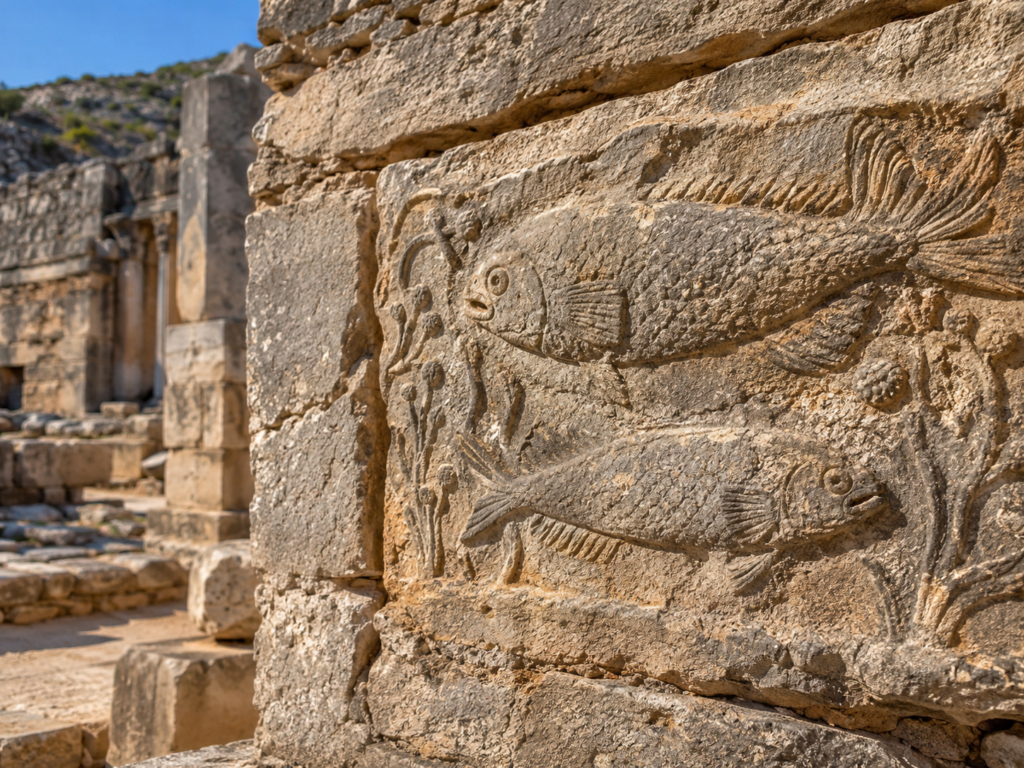
Scientists have proposed a new explanation for images of large fish devouring small ones on early Byzantine monuments in Turkey. Previously, these scenes were associated with a proverb about the superiority of the strong over the weak, but researcher Tugce Karademir Yigit discovered a possible religious meaning of the carving. As MK writes, the images could symbolize both the spiritual danger associated with the devil and salvation through Christian baptism.
Read: Pensions in Russia will rise sharply in October: who will receive an increase
The work is devoted to stone reliefs from Alahan and Konya, the meaning of which has long been explained through folk ideas. A similar interpretation was proposed in 1965 by Turkish art critic Semavi Eyitse. Yigit turned to early Christian texts, including the Physiologist, believed to have been composed in Alexandria in the 2nd century. She also studied medieval bestiaries, which used animals to convey moral and religious ideas.
One possible explanation relates to the image of the devil, who deceives people with weak faith. According to another version, the large fish symbolizes Jesus Christ, and the small ones symbolize believers united through baptism and communion. In favor...