“Trinity”, lessons of Orthodoxy and new religious processions: what Patriarch Kirill achievedtranslated
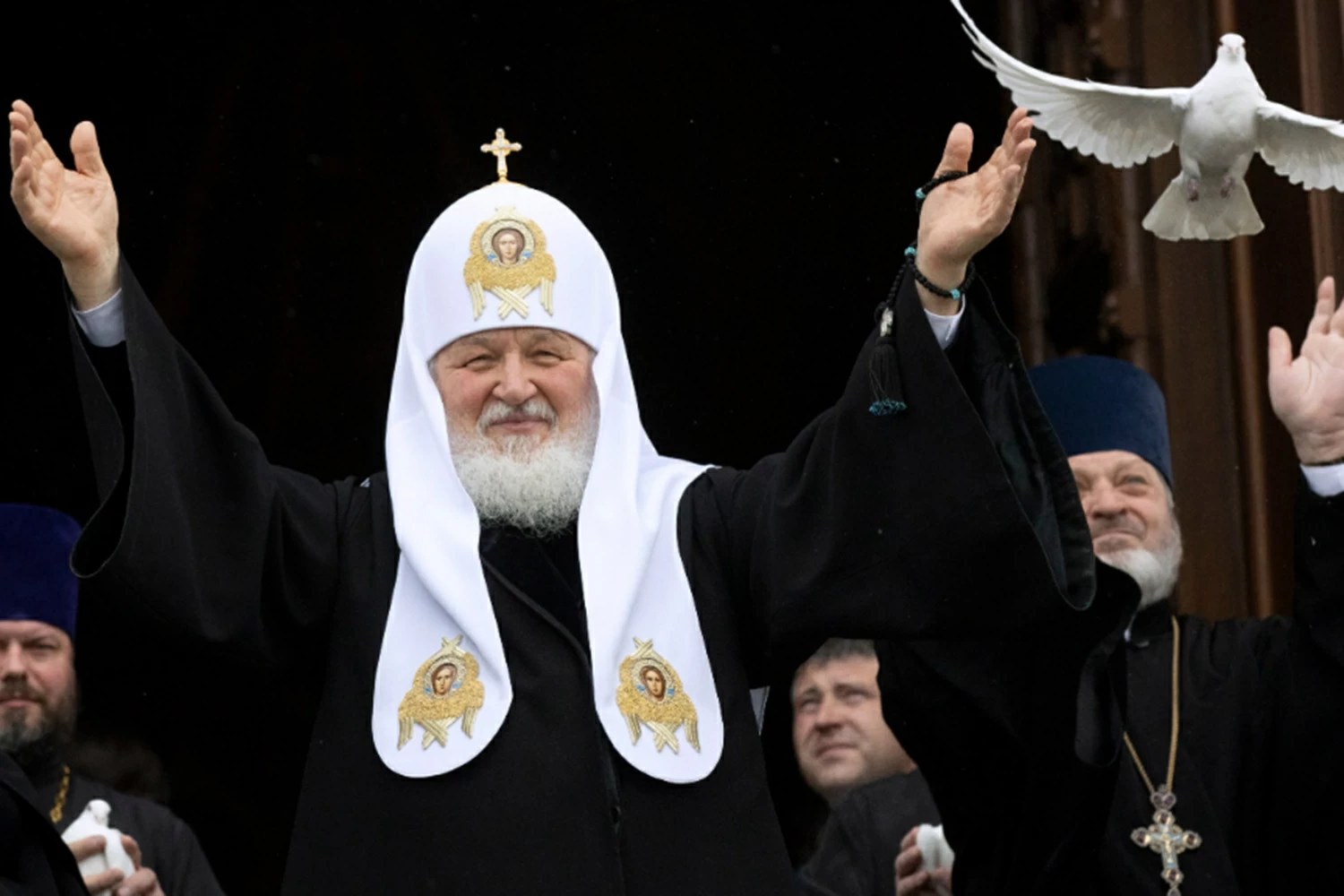
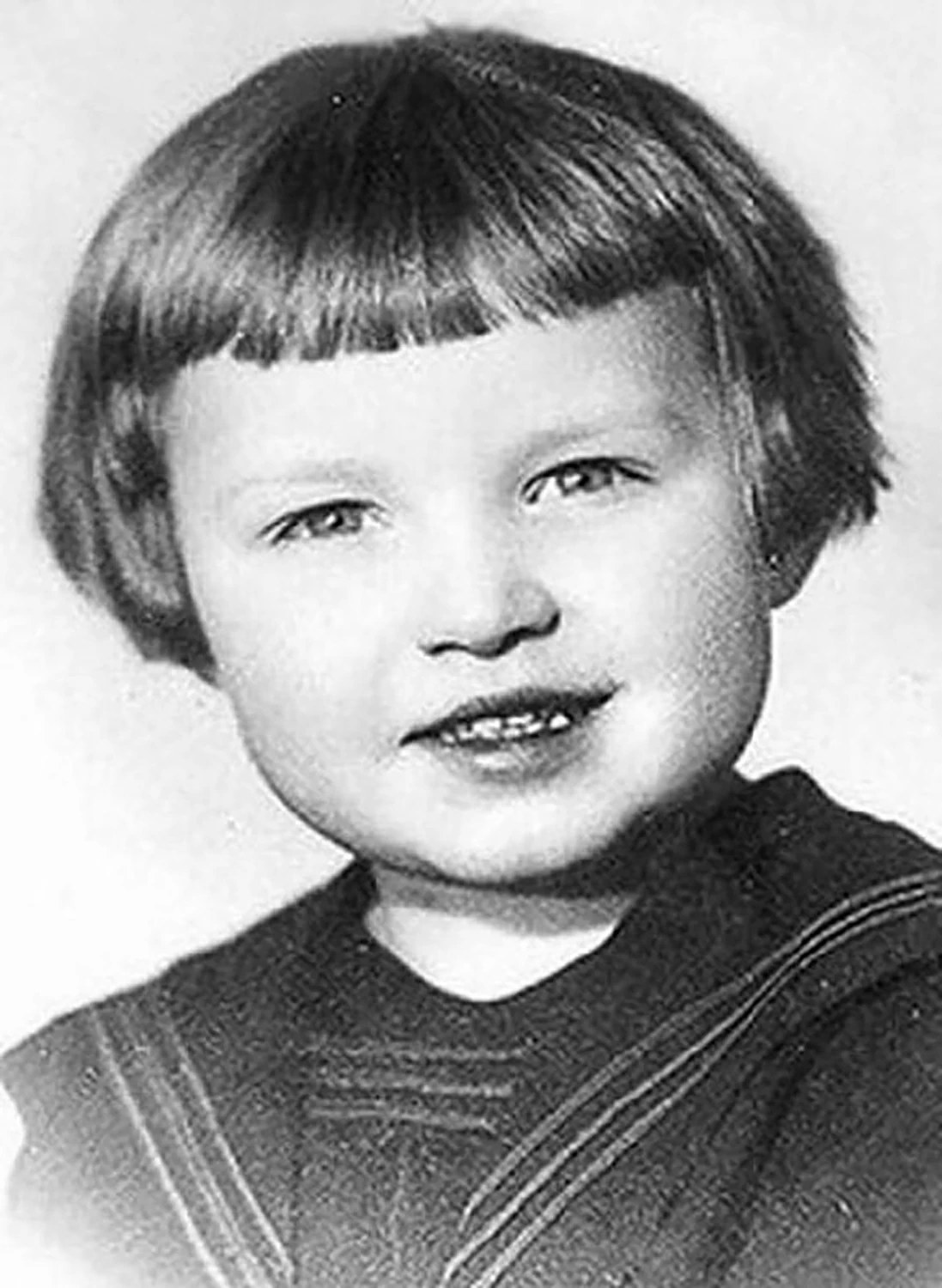
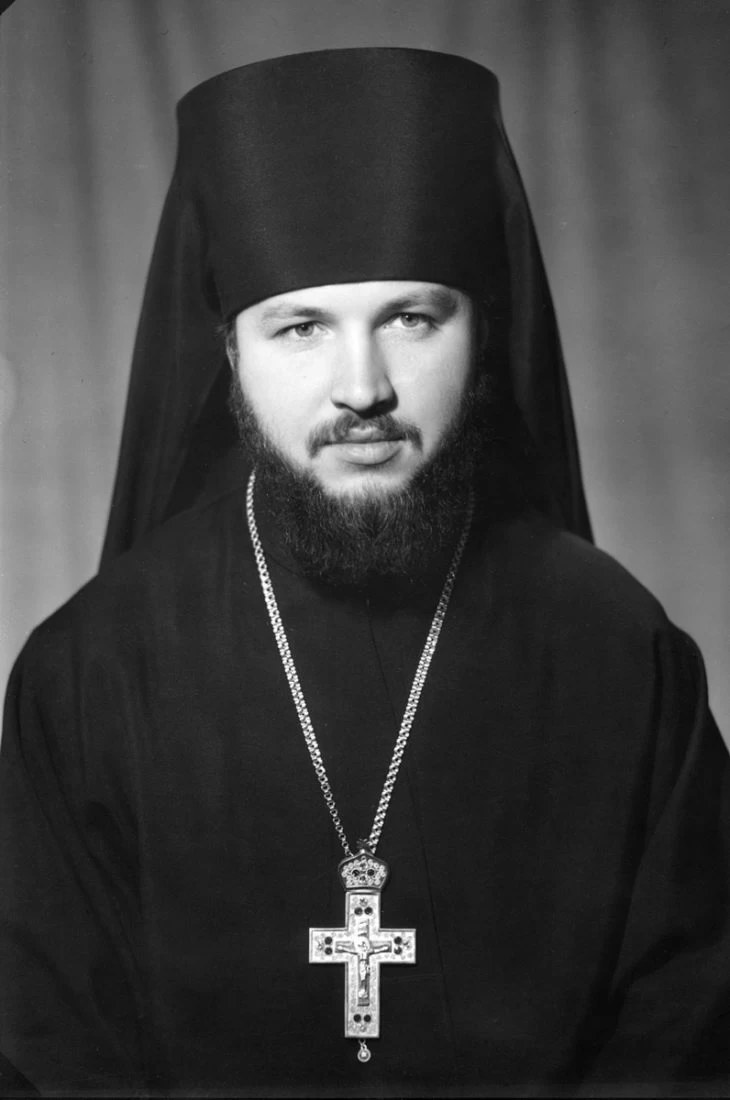
AP Patriarch Kirill (secular name - Vladimir Mikhailovich Gundyaev) was born in Leningrad (now St. Petersburg) on November 20, 1946. After the revolution, his grandfather Vasily Gundyaev worked as a driver of the Kazan Railway, but as a zealous parishioner he opposed the destruction of churches and the renovation of the church. As a result, he went through “seven exiles” and “47 prisons,” including Solovki. At the end of his life, Vasily Gundyaev was ordained and became a priest in Bashkiria. “[Shortly before his death] I asked him: “Grandfather, were you happy?” A strange question for a man who spent 30 years in prison for his faith... Imagine: he did not understand my question. I didn’t understand because he was a truly happy man,” Patriarch Kirill later said. At least three generations of his family devoted themselves to religion.
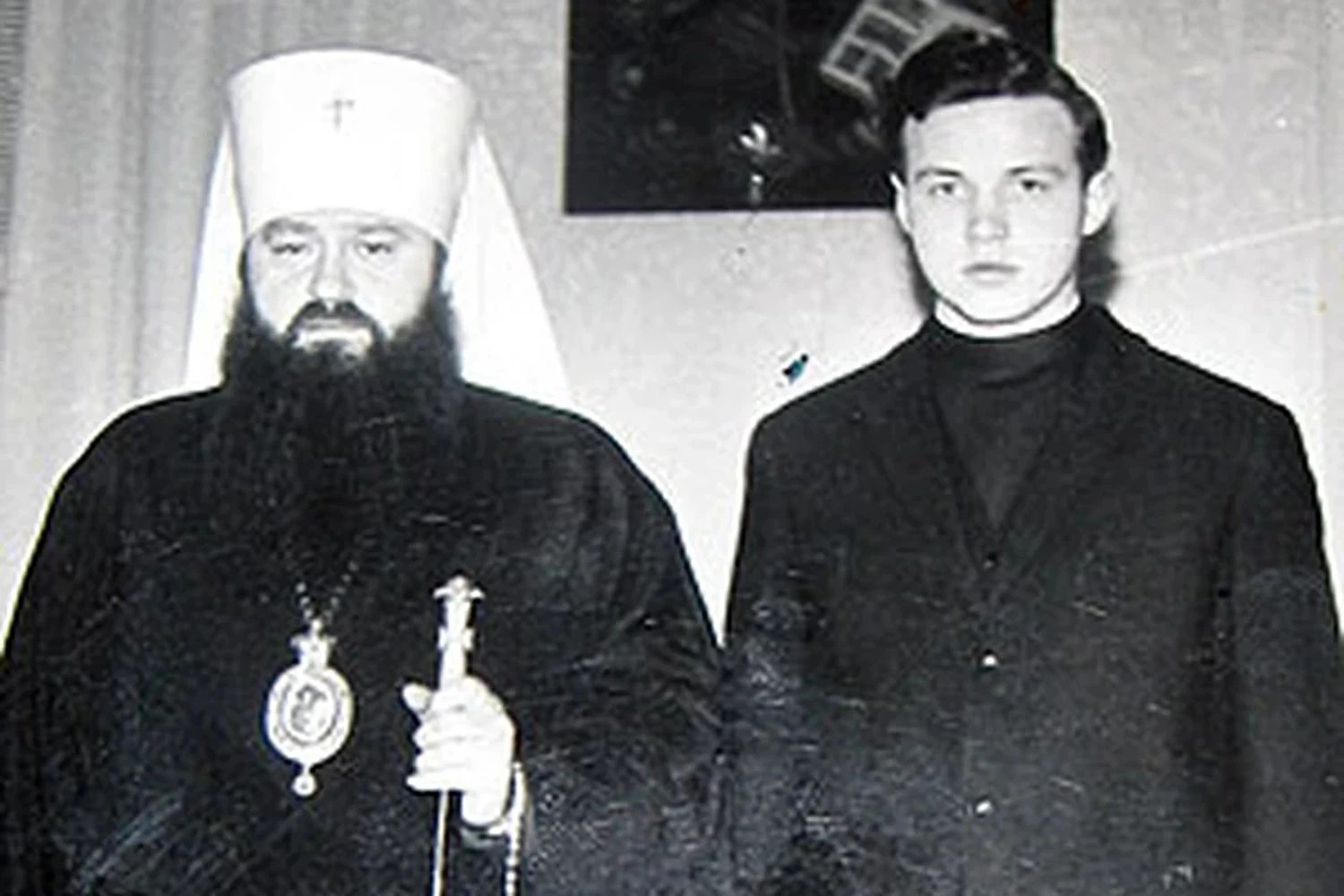
Personal archive The father of Patriarch Kirill, Mikhail Gundyaev, largely repeated the path of his parent: he served in Kolyma for three years in the “Evlogievtsy case” and then was ordained. It is believed that it was he who baptized Russian President Vladimir Putin in the Transfiguration Cathedral in 1952. The patriarch’s brother Nikolai Gundyaev also became a priest and served as rector of the St. Petersburg Theological Academy, and sister Elena headed the regency (that is, choral) department there. “I don’t remember a time when I didn’t want to be a priest. Soon after I learned to walk and talk, I demanded that I have my own vestments,” Patriarch Kirill then said. Despite his early choice of path, he still gained experience in worldly work. At the end of the eighth grade, he joined one of the expeditions of the North-Western Geological Survey and worked there as a cartographic technician for three years, while simultaneously completing high school at night school.