Traditions of Icons of the Theotokos “Not Made by Human Hands” and Icons Attributed to the Apostle Luke
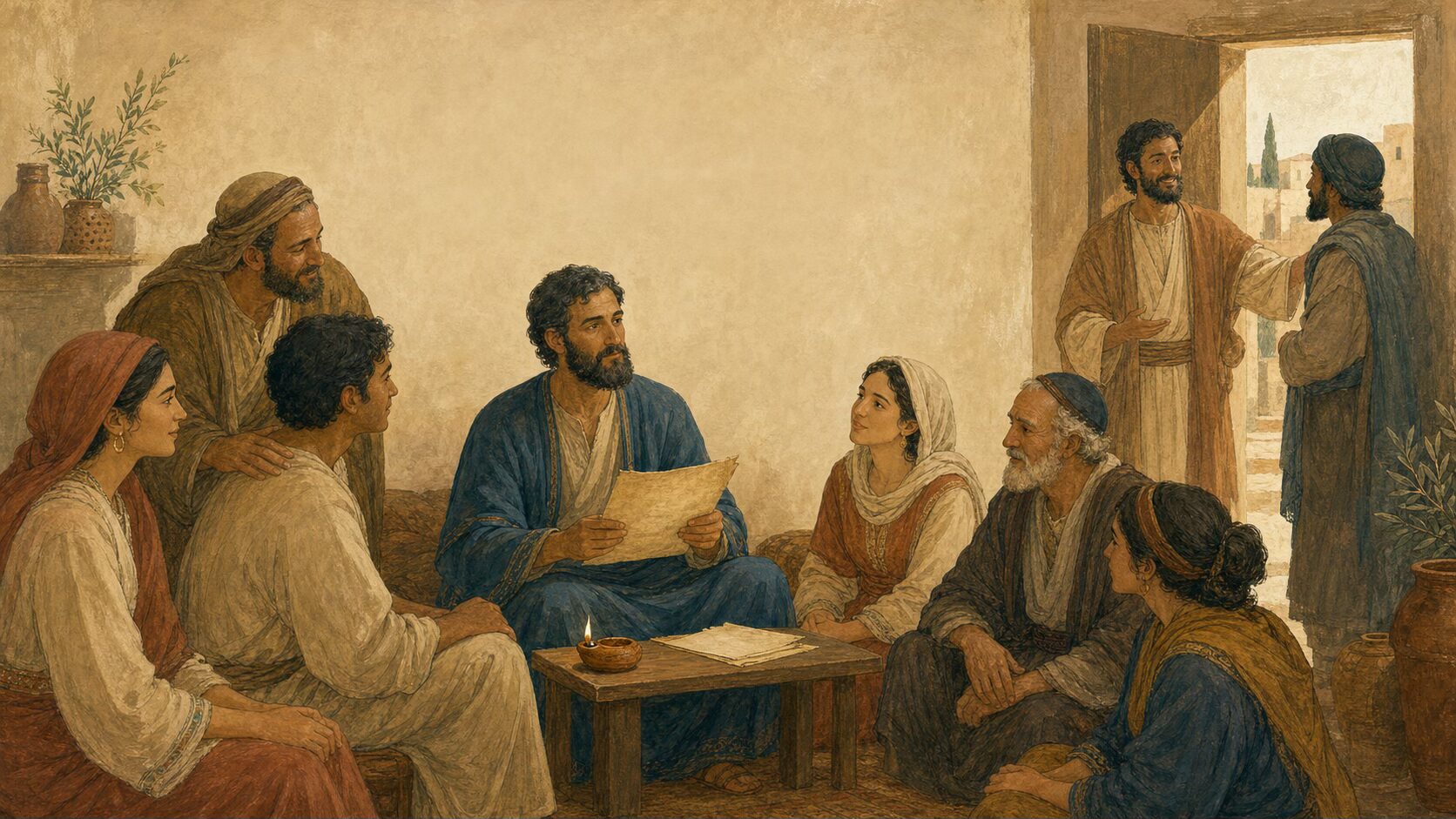
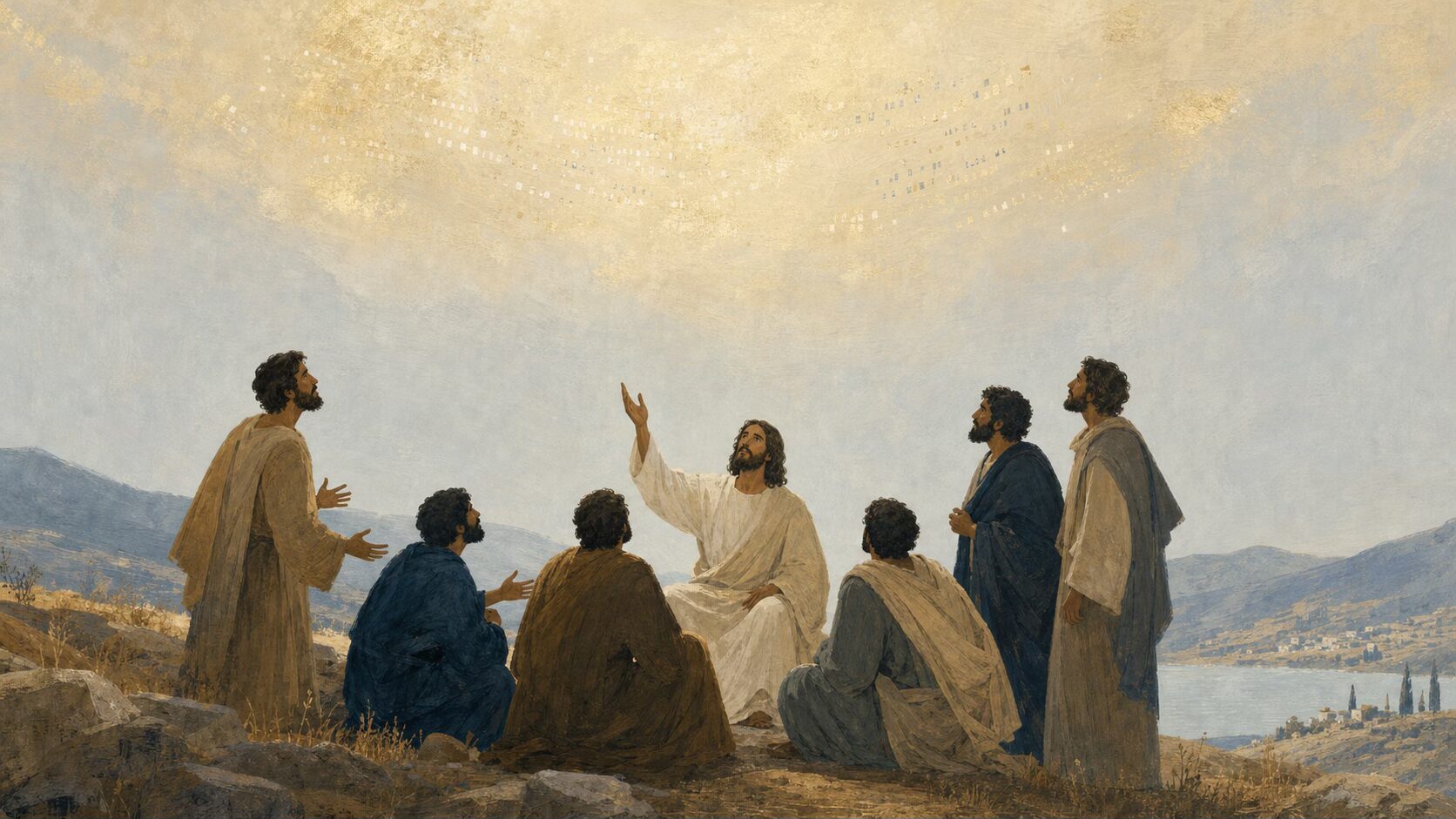
An image that miraculously appears on a column. A likeness of the Theotokos—the Mother of God—that manifests itself inside a sealed building. And an Evangelist depicted painting the Virgin Mary. These are some of the accounts of the origins of images of the Mother of Christ. They are not, however, successive episodes in a single story. They come from different texts and traditions.
In accounts of icons “not made by human hands,” the likeness of the Theotokos appears without the intervention of a painter. In traditions concerning Luke, by contrast, it is created by a human hand, but its significance is linked to the painter’s personal acquaintance with the Virgin Mary. To follow these accounts, one distinction is essential: the period in which they place their events is different from the period in which they were written down. The presence of apostolic figures in a text does not mean that the text itself was written in apostolic times.
The first story takes us to Lydda in Palestine. In the so-called Letter of the Three Patriarchs to Emperor Theophilos , one of the accounts in support of icons relates that Peter and John built a church there dedicated to the Mother of the Lord.…