The Nativity fast starts: is it necessary to celebrate the New Year without meat and champagne?translated
40 days of restrictions ahead, with rules getting stricter as Christmas approaches
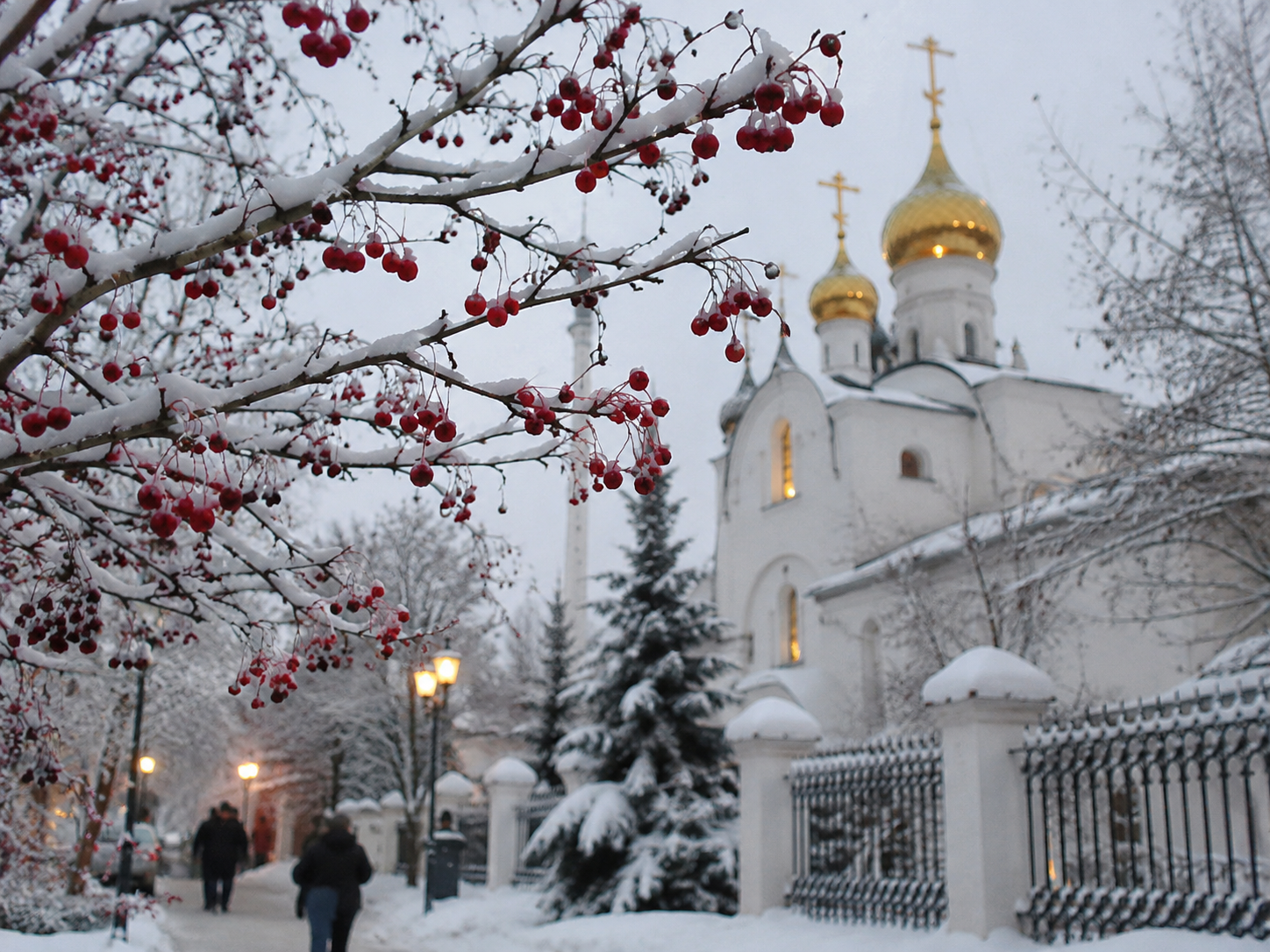
The Nativity Fast is considered less strict than Lent, since fish is allowed on certain days
While some are hanging garlands and creating a New Year's menu, others are removing sausage, cheese and butter from the refrigerator. At the end of November, Orthodox Christians begin the Nativity Fast, the last multi-day fast of the calendar year.
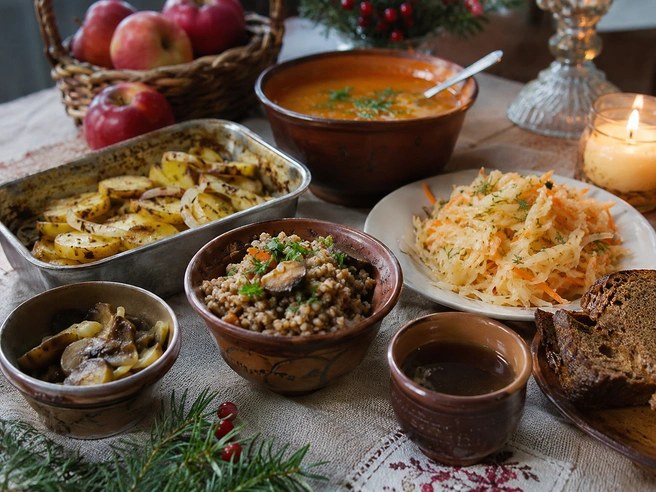
It comes at an amazing time: cities light up with festive lights, shop windows are filled with sweets, and there is only talk about upcoming feasts. It is during this period that believers will have to spend 40 days in moderation.
At the same time, the Nativity Fast is considered less strict than the Great Fast. And it has its own characteristics, which not even all people who fast regularly know about.
When does the Nativity fast begin and end in 2026
Unlike Lent, the dates of which depend on Easter, Christmas Lent always begins and ends on the same dates.
In 2026-2027, the Orthodox calendar looks like this:
November 28, Saturday-beginning of the Nativity Fast;
December 4 - Entry into the Church of the Blessed Virgin Mary;
December 19 is the day of memory of St. Nicholas the Wonderworker;
January 2 - the beginning of the strictest period of fasting;
January 6-Christmas Eve, the last day of Lent;
January 7-Christmas Day.
The Nativity Fast also has another name - Filippov Fast, or Filippovka. On the eve of its beginning, the Orthodox Church remembers the Apostle Philip, one of the twelve disciples of Christ.
On Christmas Eve there is a tradition of starting the evening meal after the appearance of the first star
Why do people fast for 40 days before Christmas?
The tradition of fasting before Christmas dates back to the first centuries of Christianity. However, the length of fasting initially varied among different Christian communities. There was no single rule.
Forty days have special meaning in Christian culture. That's how long Moses spent on Mount Sinai, and the same amount of time Jesus Christ fasted in the desert.
In the Orthodox tradition, the Nativity Fast has become a time of spiritual preparation for the birth of the Savior. Special chants dedicated to the approaching Christmas begin to sound in churches long before the holiday itself.
What you can and cannot eat during the Nativity Fast
For the entire 40 days, meat, poultry, eggs and dairy products are excluded from the traditional Lenten menu. But with fish and vegetable oil, everything is a little more complicated: the rules for their use change as Christmas approaches. The basis of the diet is cereals, legumes, vegetables, mushrooms, fruits, nuts and dried fruits.
By the way, lean cuisine is much more diverse than it might seem at first glance. Vinaigrette with sauerkraut, buckwheat with mushrooms and fried onions, rich pea soup, cabbage rolls with rice, baked apples, pies with cabbage on Lenten dough - many familiar dishes of Russian cuisine fit perfectly into the Lenten menu.
But it’s not worth living for a month and a half solely on pasta and potatoes. To get enough protein, it is important to include beans, lentils, peas, chickpeas and soy products in your diet.
Why does fasting become stricter after Nikolin's day?
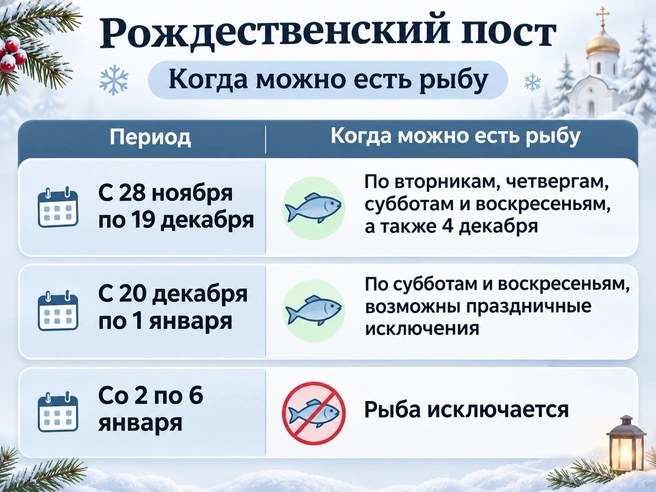
The Nativity Fast is conventionally divided into three periods. The closer the holiday gets, the stricter the restrictions become.
Here is one of the common options for the Lenten calendar.
This year, fish can be cooked on the first day of Lent - November 28 falls on Saturday.
Another notable exception is Friday, December 4th. Despite the fact that Friday is traditionally considered a fast day, fish is allowed in honor of the Entry into the Church of the Blessed Virgin Mary.
The strictest restrictions occur in the first days of January. At this time, even on weekends, fish dishes give way to plant foods. However, church calendars may vary in severity. Monastic dietary rules should not be automatically transferred to all laity.
Is it possible to celebrate the New Year during the Nativity Fast?
It is curious that the sequence of winter holidays that is familiar to us - first New Year, then Christmas - developed relatively recently.
Before Russia switched to the Gregorian calendar in 1918, Christmas was celebrated before the New Year. Accordingly, the New Year's feast did not conflict with the Christmas restrictions.
Today, this calendar feature regularly poses believers with an everyday dilemma: how to celebrate the New Year with your family without breaking the fast? The Church does not require you to give up communication with loved ones, decorating your home, or exchanging gifts. The main thing is to maintain moderation.
And the festive table does not have to consist of quick dishes. Olivier with lean mayonnaise, mushrooms or soy sausage, potatoes with rosemary, baked eggplants, tartlets with mushroom filling and chocolate pie without eggs and milk are quite capable of competing with the usual New Year's menu.
But what about the traditional glass of champagne during the chiming clock? During the Nativity Fast, alcohol is not completely prohibited: on certain days the church charter allows the consumption of wine in small quantities. Some priests also allow a symbolic glass of champagne at the New Year's table. But it is recommended to avoid strong alcoholic drinks and noisy feasts with copious libations. After all, one of the main principles of fasting is moderation in everything.
What you can’t do during Advent, except eating meat
The Nativity fast involves not only dietary restrictions, but also special attention to prayer, good deeds and spiritual life
You can carefully study the composition of cookies in search of powdered milk, and five minutes later you quarrel with your relatives over some trifle. From the point of view of the Christian understanding of fasting, the second is much more significant than the first.
During this period, believers are advised to indulge less in entertainment, avoid conflicts, condemnation of others, slander and excesses.
It is customary to devote the freed time to prayer, reading spiritual literature and charity. Moreover, good deeds do not have to be large-scale: helping an elderly neighbor, visiting a lonely relative, or supporting a person who finds himself in a difficult situation is also part of this tradition.
It is also important to remember that strict dietary restrictions are not suitable for everyone. Children, pregnant and lactating women, people with chronic diseases need to select the measure of fasting individually, taking into account medical recommendations.
Why do people wait for the first star on Christmas Eve?
On the evening of January 6th comes one of the most atmospheric moments of the entire Christmas period.
There is a tradition of abstaining from food until the appearance of the first star - in memory of the Star of Bethlehem, which, according to the Gospel, showed the Magi the way to the birthplace of Christ. This is a pious custom, and not a requirement for every person to fast all day.
For the evening meal they prepare sochivo - a dish of wheat grains or rice with honey, poppy seeds, nuts and dried fruits. The origin of the word “Christmas Eve” is associated with the name of this dish.
How in Russia they prepared for the end of Lent
In the old days, Christmas was also a long-awaited gastronomic event. After prolonged abstinence, meat dishes, baked goods and dairy products returned to the table. In wealthy homes, a whole roast goose or pig could be prepared for the holiday.
And immediately after Christmas, Christmastide began - a time of caroling, visiting, folk festivities and festive treats. They continued until Epiphany Eve. After forty days of moderation, almost two weeks of festive life began.