Lilacs and apple trees bloom in the fall, but migratory birds do not have time to return before the warm weather arrives. Due to climate change, such disruptions in nature are occurring more and more often. How dangerous is this for animals and plants?translated
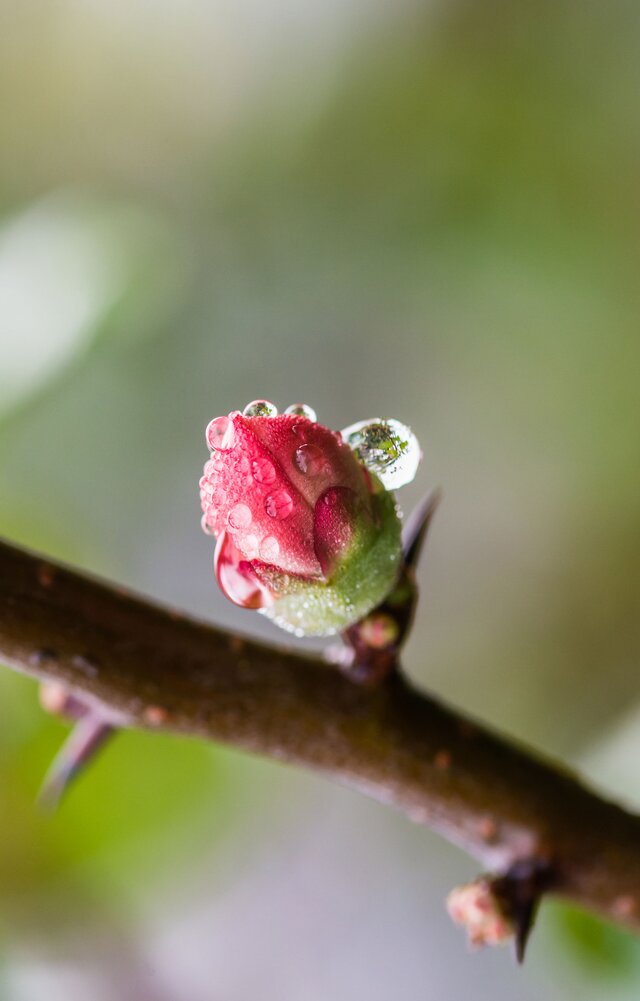
This fall, lilacs bloomed in the Chelyabinsk region, and young leaves appeared on other trees. In Ufa and its surroundings, apple trees and rose hips began to bloom again at the same time, although this usually happens in the spring. The reason is sudden changes in temperature: periods of cooling followed by the return of warmth. Such weather fluctuations can disrupt the seasonal rhythms of plants. The animals that depend on them are also affected. The Cedar publication spoke with botanists and zoologists to find out why seasonal rhythms change, how this threatens plants and animals, and how nature adapts to the changes. We are publishing this text in full.
Some Russian experts agreed to talk with Kedr on condition of anonymity. At the request of the interlocutors, the text uses fictitious names and does not name their places of work. Why do plants bloom in autumn? Lilac, apple, mock orange and weigela, whose autumn flowering this year surprised the residents of Ufa, had flower buds that appeared in the summer - they already contained the rudiments of future flowers. Usually the buds open after winter, but sometimes this pattern is disrupted, and some of the buds “confuse” autumn with spring.
The summer of 2026 in Bashkortostan turned out to be unstable: periods of heat...