Scholars criticize U.S. bishops for comparing proposed census rule to 18th century slave compromise
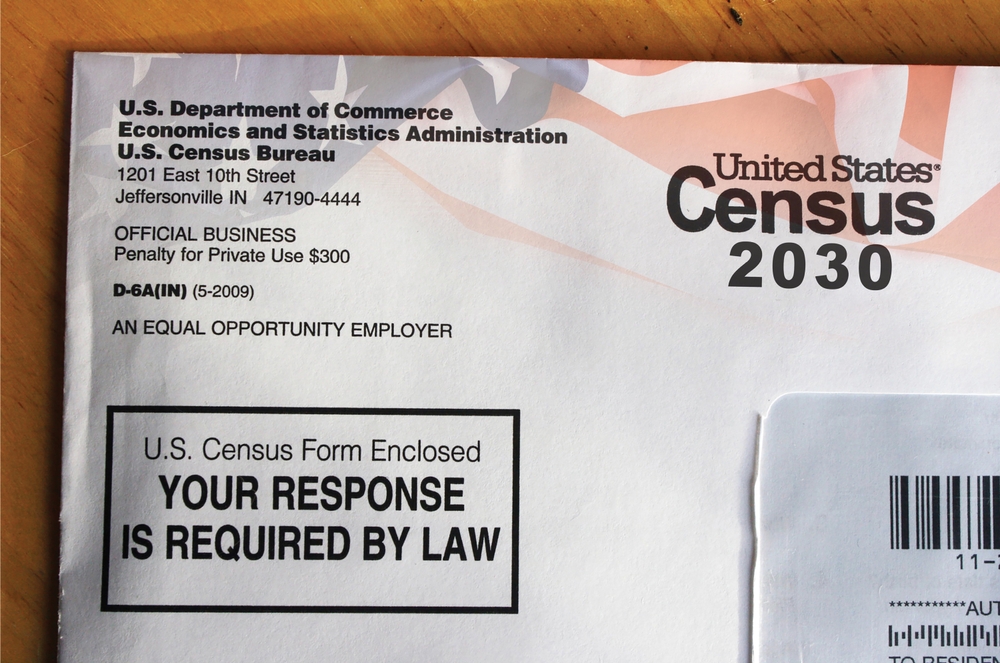
The U.S. bishops’ opposition to proposed rule changes affecting the 2030 census has provoked sharp criticism from U.S. historians and scholars, especially concerning the assertion that excluding noncitizens in the census count denies their personhood.
According to the U.S. Census Bureau, the proposed rule changes would remove demographic questions about race, ethnicity, and sexual orientation, and would count for congressional apportionment only citizens and lawful permanent residents.
The proposal says “illegal aliens (among others) should not be included in the apportionment count, as they are not true inhabitants, members of the body politic, or persons with a ‘usual residence’ in the United States.”
In an Oct. 20 letter submitted to Department of Commerce Secretary Howard Lutnick, among other points, the U.S. Conference of Catholic Bishops’ general counsel argued that excluding noncitizens from the apportionment count “is effectively to deny they are ‘persons.’” They wrote that this “denial of personhood recalls the ‘overtly sinful and gravely unjust’ Three-fifths Compromise.”
The Three-fifths Compromise was the political deal reached at the 1787 U.S. Constitutional…