Rosengård: Resilience, trust and transition
Rosengård: Resilience, trust and transition
albin
Fri, 09/18/2026 - 10:40
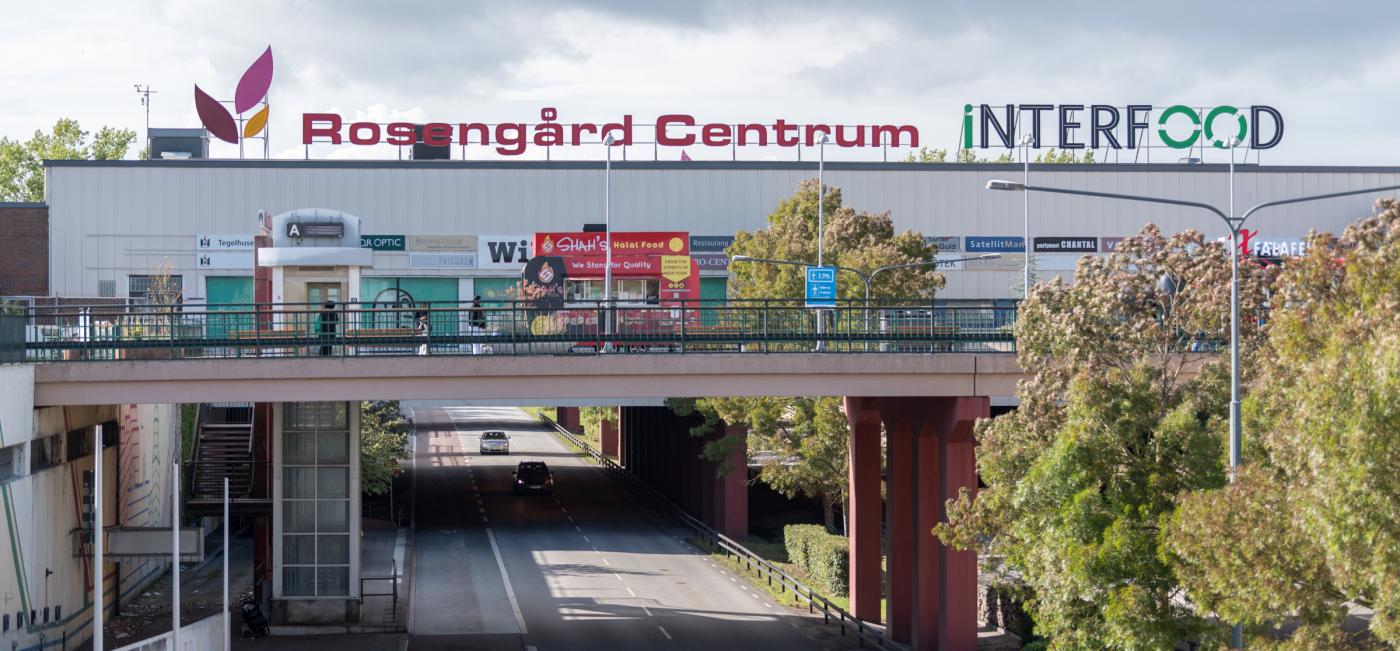
Just a short drive from Malmö city centre in southern Sweden sits Rosengård – a neighbourhood built in the 1960s as part of a nation-wide so-called “million programme”, through which the Swedish state set out to build one million affordable and functional housing units across the country, mainly intended for working class families. Though in itself a groundbreaking housing programme, it was not specifically designed with a multicultural reality in mind.
Image
2 September 2026, Malmö, Sweden: 'Rosengård Centrum' reads a sign at the front of the shopping centre housing a range of local stores, the local mosque, a public library and other public and private institutions in central Rosengård.
Photo: Albin Hillert/WCC/CCME/WACC
As immigrants and refugees from across the world arrived in Sweden through the 1980s and the 1990s, Rosengård and other similar neighbourhoods became home not only to some of the most culturally diverse but also many of the most socio-economically vulnerable members of Swedish society.
Image…