Researchers report discovery of 4,300-year-old wood at suspected Noah’s Ark site in Turkey
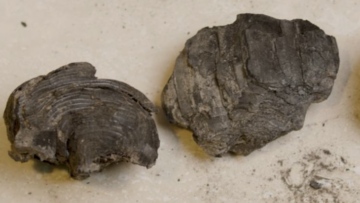
Researchers investigating the possible location of Noah’s Ark near Mount Ararat in Turkey have announced new radiocarbon dating results.
According to a press release issued on Tuesday by the US-based organisation Noah’s Ark Scans, two fragments of charred wood recovered from the Durupınar formation have been dated to approximately 4,300 years ago.
The samples were discovered during a research project led by Professor Cenker Atila of Sivas Cumhuriyet University in Turkey, within a boat-shaped geological formation in the Mount Ararat region.
The fragments were recovered approximately nine metres below the top of the formation’s exposed western slope and about one metre into the formation itself.
What the radiocarbon analyses indicate According to the results released by the organisation, analyses conducted at a laboratory in the US state of Florida established the following dating ranges, expressed in calendar years:
First sample: 2410-2269 BC. Second sample: 2349-2193 BC.
Andrew Jones, founder of Noah’s Ark Scans, explained that the results of both analyses indicate an age broadly consistent with some traditional chronologies of the biblical Flood.
Possible…