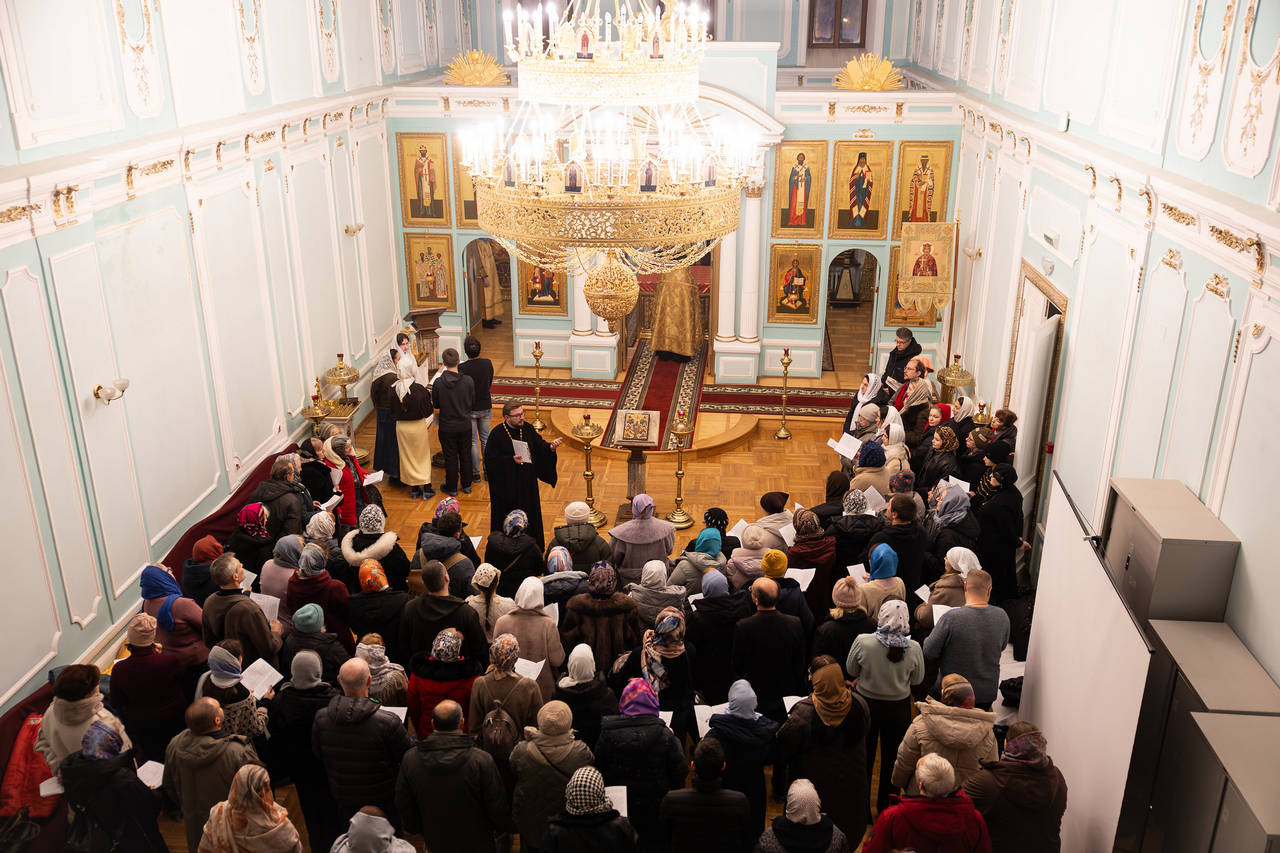
Orthodox believers enter the Nativity Fast - This year, Christians begin Lent a day earlier, since its official start is preceded by Fast Fridaytranslated
The establishment of the Nativity (Philippus) fast, as well as other multi-day fasts, dates back to the ancient times of Christianity. Already from the fourth century St. Ambrose of Mediodala, Philastrius, and Blessed Augustine mention the Nativity Fast in their works. In the fifth century, Leo the Great wrote about the antiquity of the Nativity Fast.
Initially, the Nativity Fast lasted seven days for some Christians, and a little longer for others. At the council of 1166, which was held under the Patriarch Luke of Constantinople and the Byzantine Emperor Manuel, all Christians were ordered to fast for forty days before the great feast of the Nativity of Christ.
Antioch Patriarch Balsamon wrote that “since some doubted that the number of days of the fast of the Theotokos and the Nativity was not indicated anywhere, His Holiness the Patriarch himself said that, although the days of these fasts are not determined by the rule, we are, however, forced to follow the unwritten church tradition and must fast from the 15th day of November.”
The Nativity Fast is the last multi-day fast of the year. It begins on November 15 (28) and continues until December 25 (January 7), lasts forty days and therefore is called Pentecost in the Church Charter, just like Lent.
Unlike Great Lent, Nativity Lent is not strict. The rules of abstinence prescribed by the Church during the Nativity Fast state that during the entire Lent one should abstain from food of animal origin, as well as from eating fish on Wednesdays and Fridays.
However, Orthodox fasting is not only physical abstinence, but also a person’s spiritual struggle with his passions. Saint John Chrysostom warns: “He who believes that fasting only means abstaining from food is mistaken. True fasting is separation from evil.”
And it would be nice if the leaders of our social and political life also remembered these words, and the authorities understood that the main tool for pacifying flaring political passions can and should not be political or administrative resources, but fasting and abstinence.