Why has there been no Patriarch in the Russian Church for more than two hundred years?translated
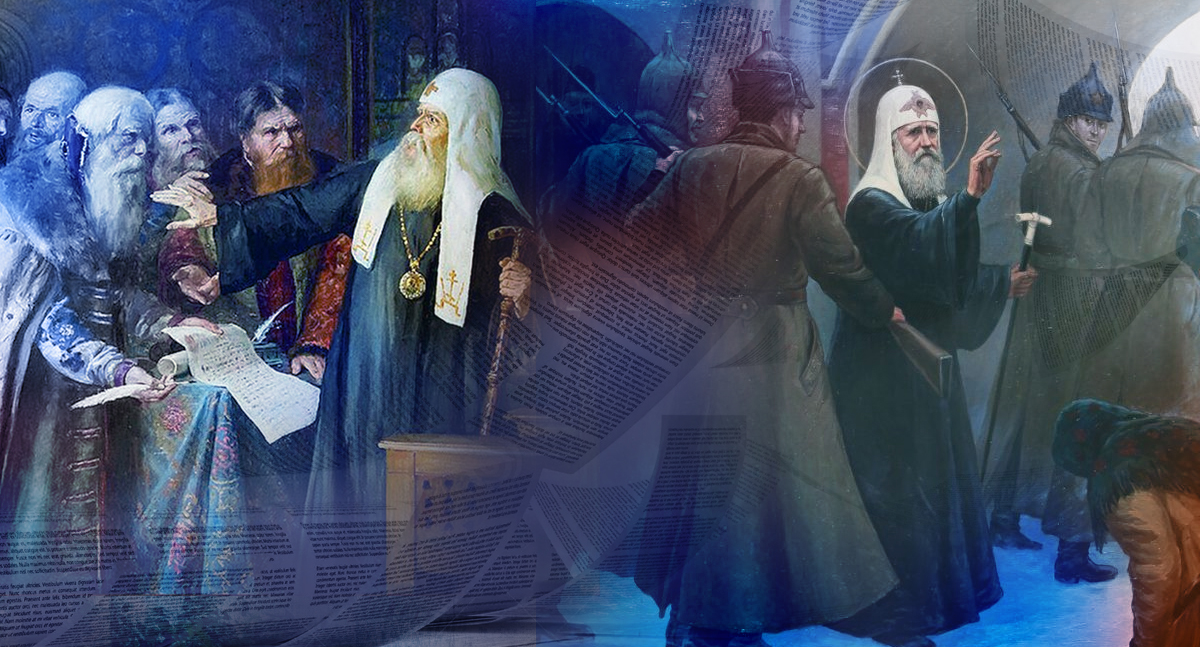
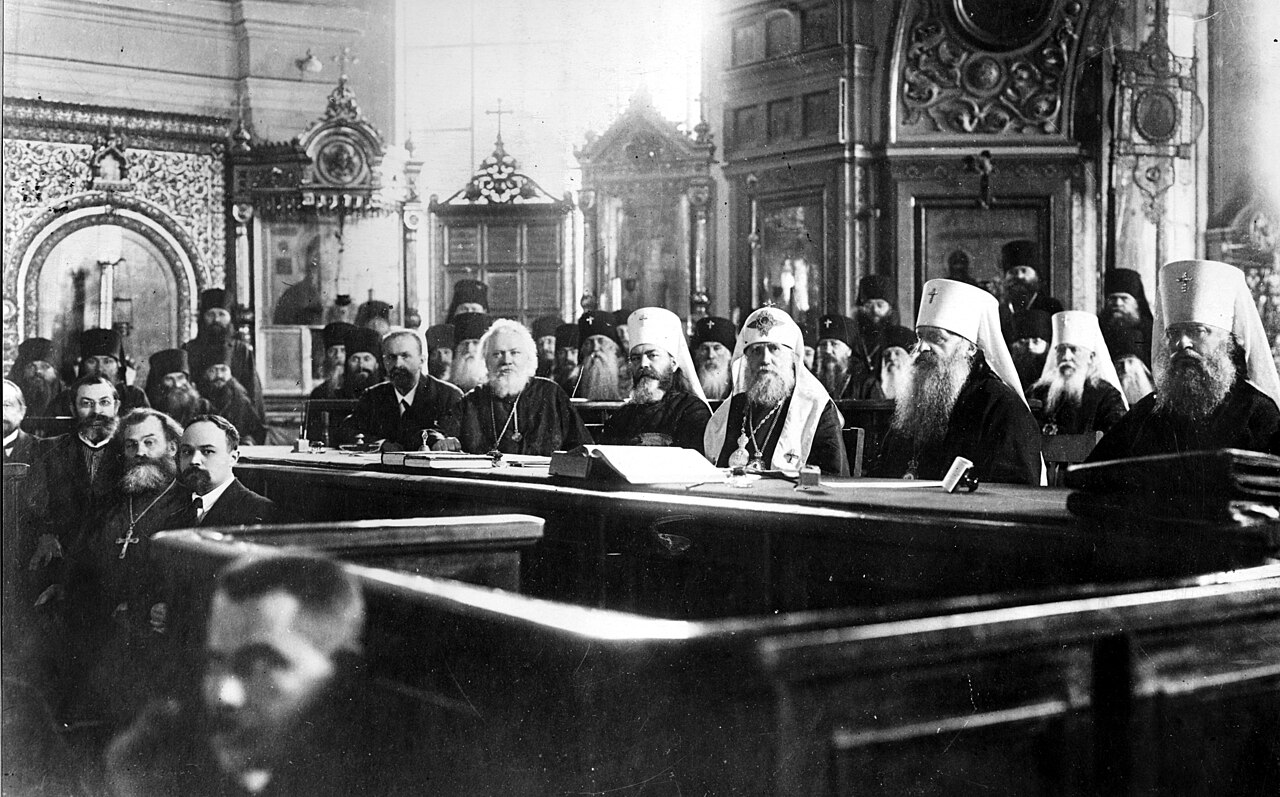
Today it is difficult to imagine the Russian Orthodox Church without the Patriarch. Meanwhile, from the beginning of the 18th century until 1917, the Patriarchal throne remained unoccupied. Who and why decided to renounce the patriarchate? And how has the Church been governed all this time? We talk about this and much more on the day of remembrance of the fathers of the Local Council of 1917–1918, who played an important role in the history of the patriarchate, in the slides of the Thomas magazine.
When did Patriarchs appear in Russia?
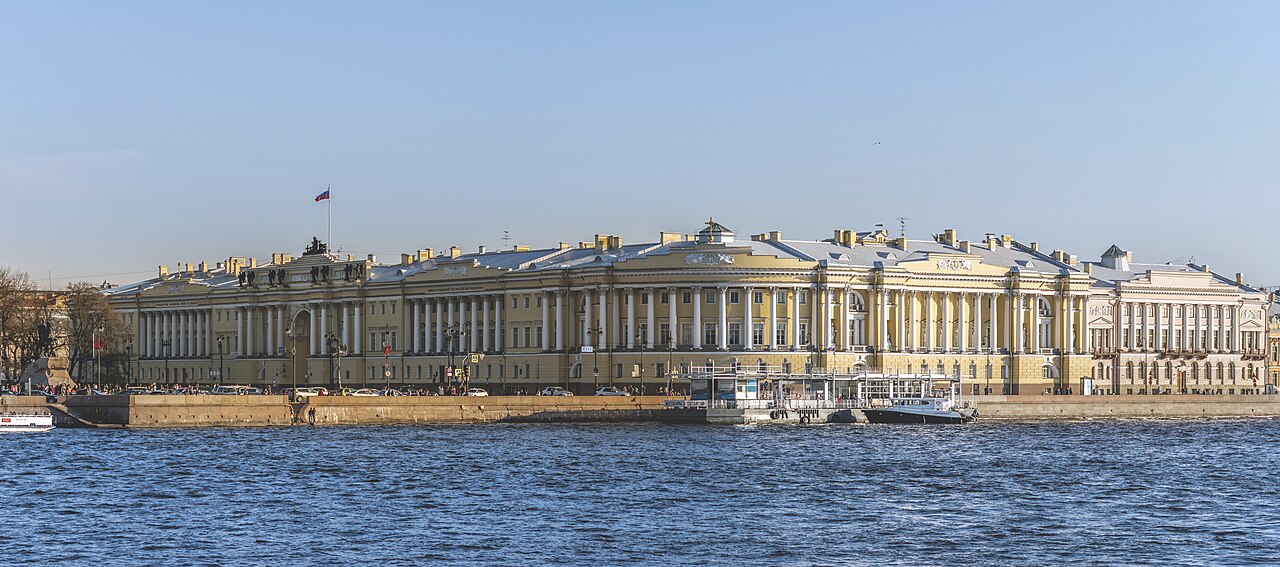
The patriarchate in the Russian Church was established in 1589, under Tsar Fyodor Ioannovich. Previously, the Russian Church was headed by metropolitans. Job became the first Patriarch of Moscow and All Rus'. His installation took place with the participation of the Patriarch of Constantinople Jeremiah II, and in 1590 and 1593 the new status of the Moscow throne was confirmed at the Councils of the Eastern Hierarchs.
Who abolished the patriarchate?
This was done by Emperor Peter I. When Patriarch Adrian died in 1700, Peter did not allow a successor to be chosen for him. Instead of the new Patriarch, the Locum Tenens of the Patriarchal Throne, Metropolitan Stefan Yavorsky, was appointed. This situation persisted for more than twenty years. In 1721, Peter finally changed the system of church government, officially...