Papal trips: The revolution that transformed the papacy forever
Paul VI’s 1964 visit to the Holy Land was a milestone in his pontificate and an example his successors have followed. Today, it is impossible to imagine a pope who doesn’t travel.
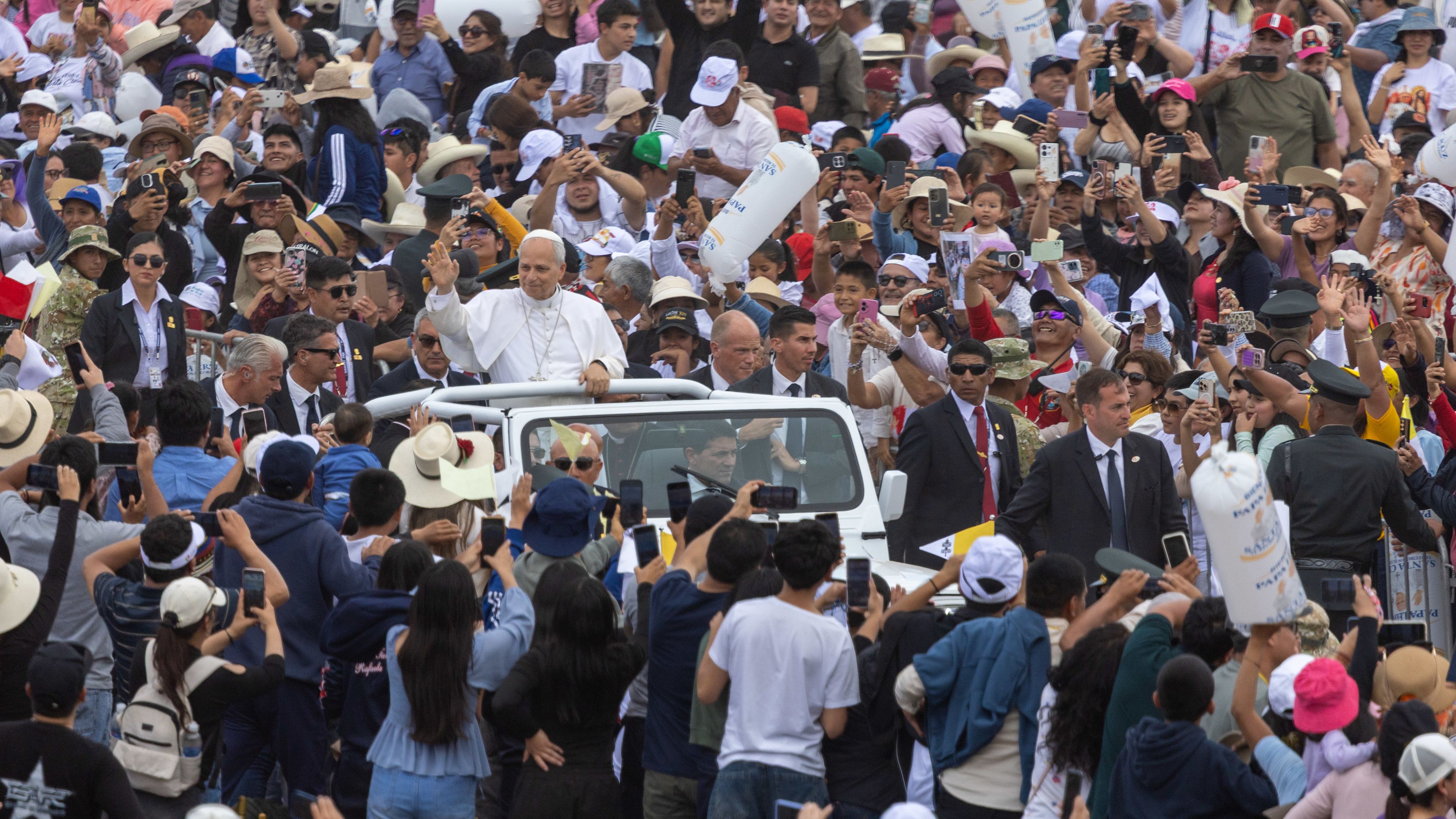
On Jan. 4, 1964, Paul VI became the first pope in modern history to travel abroad. Although his predecessors had traveled outside of Rome on numerous occasions, it was Paul VI who did so for the first time with an explicitly pastoral purpose.
The destination chosen by the man who would come to be known as “the pilgrim pope” was no coincidence: He traveled to the Holy Land, which he referred to as “the homeland of Jesus Christ.” That historic pilgrimage, announced at the conclusion of the second session of the Second Vatican Council, set a new course for his successors.
A milestone in the history of papal travel Since then, apostolic journeys have become one of the most significant expressions of the Petrine ministry.
Paul VI “chose the name ‘Paul’ precisely in honor of the Apostle to the Gentiles, St. Paul. Ever since then, papal trips have been referred to specifically as ‘apostolic journeys,’” Italian priest and historian Father Roberto Regoli told EWTN News Español, the Spanish-language sister service of EWTN News. Regoli is president of the Joseph Ratzinger-Benedict XVI Vatican Foundation .
The journey of Paul VI, he noted, “marked a milestone in the history of papal…