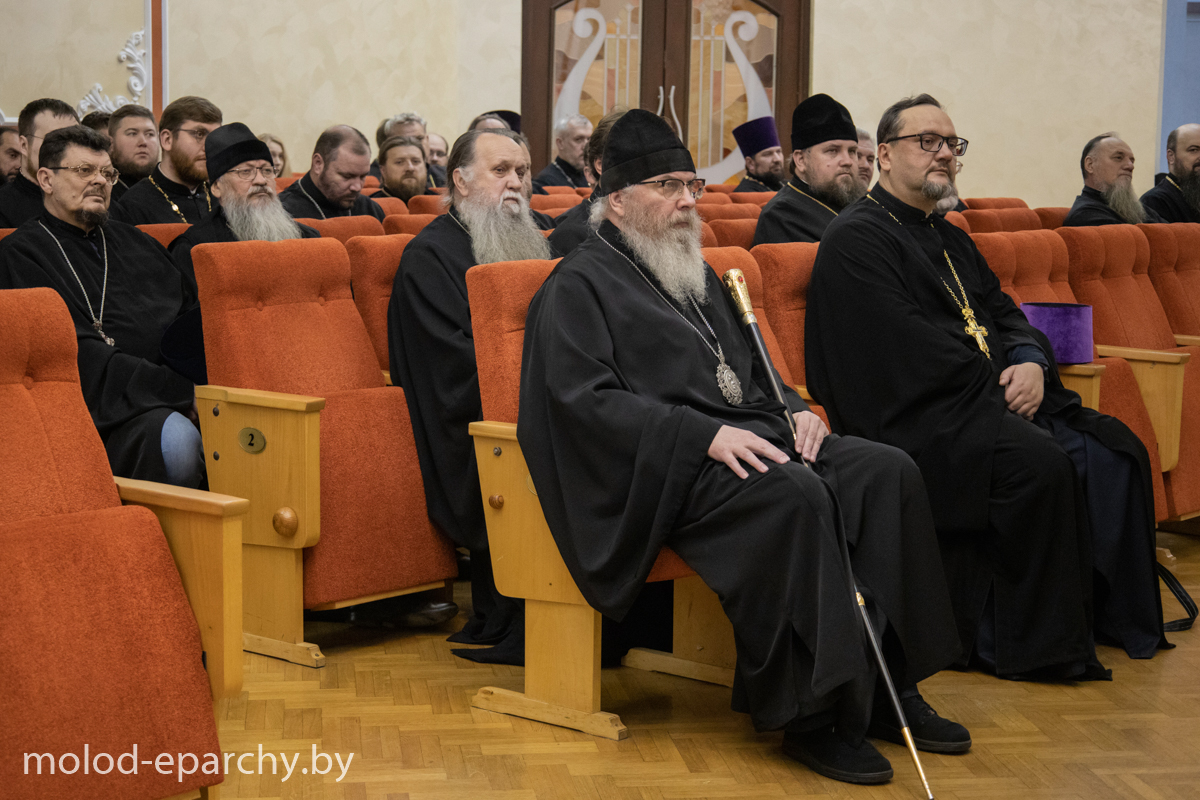
One of them was sought for more than a century: relics that faithful people found under Patriarch Kirilltranslated
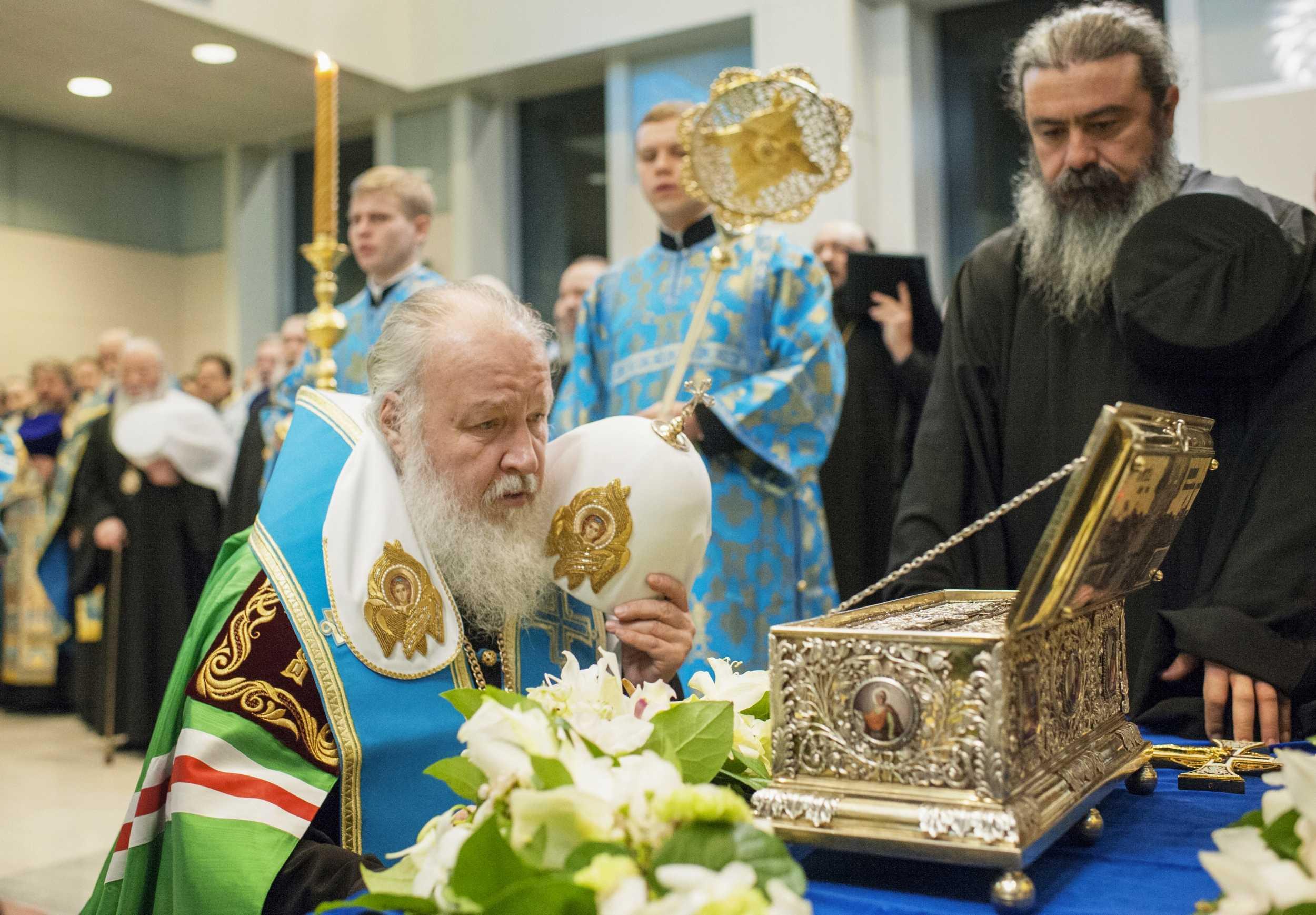
The Veil of the Most Holy Theotokos visited Russia in 2011 thanks to Patriarch Kirill
An ancient icon, lost after the revolution, unexpectedly turned up in the Patriarch's residence. A silver sarcophagus, which was nearly sent for melting, returned to the monastery after a hundred years.
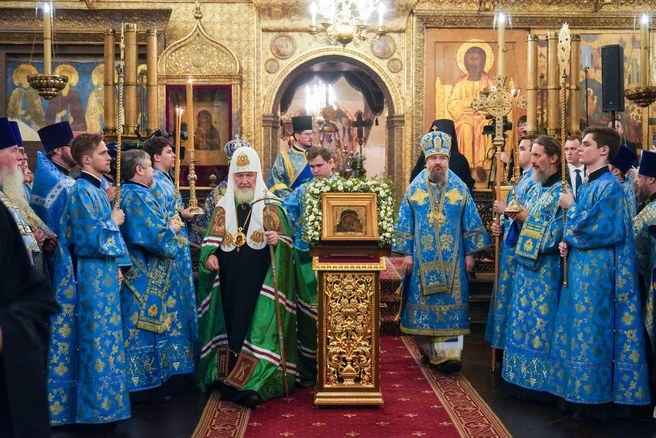
These events took place during the patriarchate of Kirill, who will turn 80 on November 20.
Since 2009, he has been heading the Russian Orthodox Church. During this time, several notable events related to the discovery, return, and bringing of Orthodox relics have occurred. Each of them has its own story-sometimes with unexpected twists.
A Relic Lost for 105 Years
One of the most unusual stories occurred on November 4, 2023, during a liturgy in the Assumption Cathedral of the Moscow Kremlin. Patriarch Kirill presented the Kazan Icon of the Mother of God, which was considered lost after the revolution.
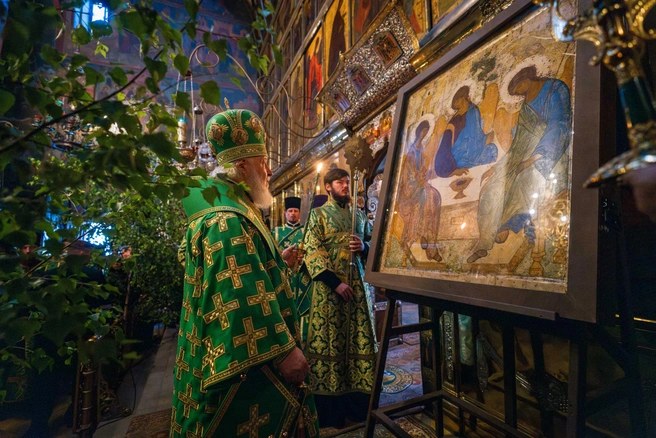
This was not the original image revealed in Kazan in 1579, but a Moscow copy-historical icon, which according to church tradition is associated with the popular militia of Minin and Pozharsky.
It was believed that this relic disappeared in 1918. However, more than a century later, it was found in a storage room of the Patriarch's residence in Peredelkino. According to the Kazan Metropolitanate, an expert examination confirmed the authenticity of the historical image.
On the same day, the icon was transferred to the Kazan Cathedral on Red Square-the place associated with its history. In 2024, the relic toured Russian dioceses. According to the ROC, more than 800,000 faithful were able to venerate it in the first months.
The "Trinity" by Andrey Rublev
The history of this icon begins in the 15th century. Andrey Rublev painted the "Trinity" for the Trinity Cathedral of the Trinity-Sergius Lavra, founded by Sergius of Radonezh.
After the revolution, the image ended up in a museum collection. From 1929 to 2023, it was stored in the Tretyakov Gallery, where it became one of the most famous works of ancient Russian painting.
In May 2023, it was announced that the icon would be returned to the Russian Orthodox Church. This followed the Patriarch Kirill's appeals to the President of Russia. Initially, the relic was kept in the Church of Christ the Saviour in Moscow. On June 22, 2024, it was transferred to the Trinity-Sergius Lavra, where it took its historical place.
In 2024, the famous "Trinity" by Andrey Rublev returned to the Trinity-Sergius Lavra, where it was created in the 15th century
For the church, the event had special significance. Patriarch Kirill called the return of the "Trinity" historical, emphasizing its role in the Orthodox tradition.
The Sarcophagus Saved Four Times
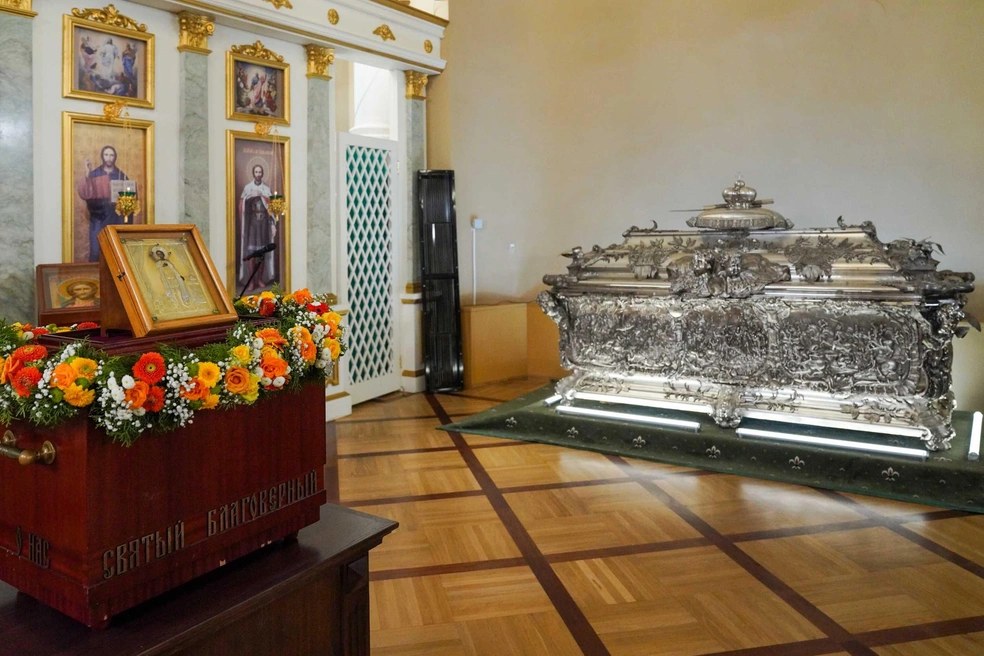
This story could have ended with the loss of one of the outstanding monuments of Russian jewelry art. The silver sarcophagus of Alexander Nevsky was created in the 18th century by order of Empress Elizabeth Petrovna. After the revolution, it was removed from the monastery and transferred to a museum.
Over the following century, the sarcophagus was saved from destruction several times. In the 1920s, the silver ensemble could have been melted. During World War II, it was evacuated from Leningrad. Later, specialists from the Hermitage were involved in the preservation and restoration of the monument.
In May 2023, a decision was made to transfer the sarcophagus to the Alexander Nevsky Lavra. A contract was signed for 49 years with the possibility of extension, while the monument remained state property. In September 2023, the historical ensemble began its move to the lavra.
A Relic for Which People Stood in Lines for Hours
Not all important events were related to the search for lost relics. Some relics were brought to Russia from abroad for the first time in a long time. One of the most well-known examples is the bringing of the relics of Saint Nicholas the Wonderworker in 2017.
The main part of the relics is kept in the Italian city of Bari. By agreement between church representatives, a portion of the relics was temporarily brought to Russia.
Initially, the relic was kept in the Moscow Church of Christ the Saviour, then in Saint Petersburg. Huge queues formed to venerate it. The bringing of the relics was blessed by Patriarch Kirill and became one of the most significant pilgrimage events of those years.
In 2017, a portion of the relics of Saint Nicholas the Wonderworker was brought from the Italian Bari to Russia for mass veneration
Rare Relics Brought from Mount Athos
In 2011, the Veil of the Most Holy Theotokos was brought to Russia from the Vatopedi Monastery on Mount Athos. According to Orthodox tradition, the relic is associated with the earthly life of the Virgin Mary.
The relic was transported to several Russian cities, and everywhere it was met by numerous pilgrims. Another notable event occurred in 2014, when for the first time in Russia, the Gifts of the Magi from the Athonite Monastery of Saint Paul were brought. According to church tradition, these are gold, incense, and myrrh, which the magi brought to the infant Jesus.
Among other known relic bringings during the patriarchate of Kirill were the Cross of Apostle Andrew the First-Called in 2013 and the relics of Venerable Silouan of Athos in 2016.
The Relics of Patriarch Tikhon: A Journey Across the Country
In 2025, the Russian Orthodox Church celebrated the centenary of the death of Patriarch Tikhon-the first after the restoration of the patriarchate in 1917.
His relics were discovered in 1992, long before Kirill was elected patriarch. However, it was in 2025 that they were brought on a large scale to the Russian and Belarusian dioceses.
From April 6 to October 12, the casket with the relics was transported across the country. Faithful could venerate the relics without traveling specially to the Moscow Donskoy Monastery, where they usually reside. The bringing was organized with the blessing of Patriarch Kirill.