Mindfulness is often presented as a path to calm, but its Buddhist roots explain why it can also bring difficulties
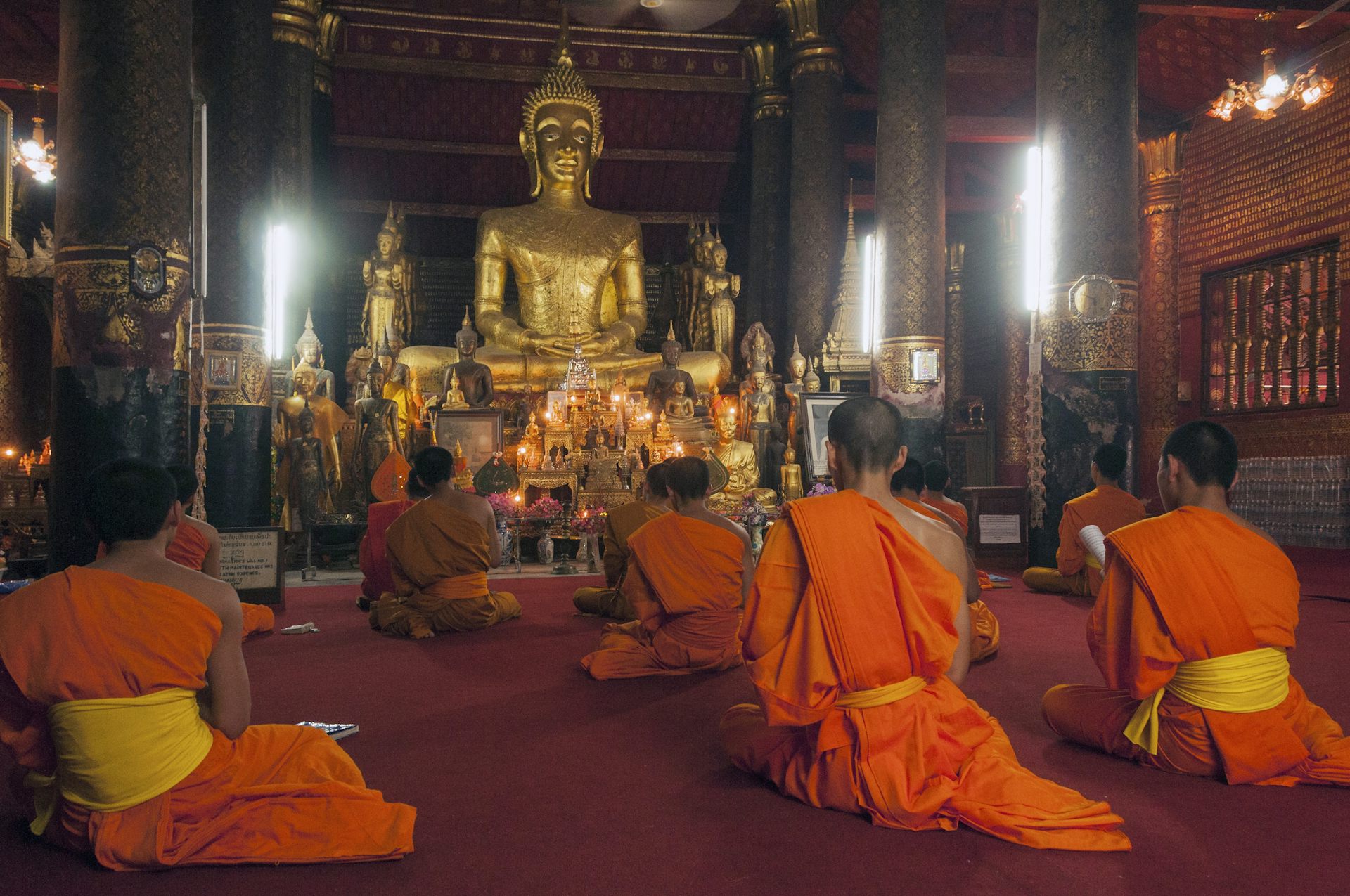
(The Conversation) — Mindfulness meditation has become increasingly popular in the United States and around the world in recent decades. Apps such as Headspace, Calm and Plum Village – inspired by the Vietnamese Buddhist monk Thich Nhat Hanh – are helping people build a steady practice, reduce stress and improve sleep.
The practice, which involves paying attention to present-moment experience with openness and awareness, is also taught in public schools and workplaces in the United States. In addition, evidence-based mindfulness programs are frequently used in U.S. hospitals and clinics. Legendary former NBA coach Phil Jackson , has even encouraged practicing mindfulness on the basketball court.
The benefits of mindfulness in reducing stress, anxiety and depression have been widely documented. However, mindfulness does not affect everyone in the same way. A growing body of research points to unwanted or adverse effects in some people. These include anxiety, emotional distress, resurfacing of painful memories and dissociation – feeling detached from oneself or one’s surroundings.
Most people do not experience these lasting problems, but researchers are increasingly trying to…