Iveron Icon of the Mother of God: from the iconoclasts to the Moscow chapeltranslated
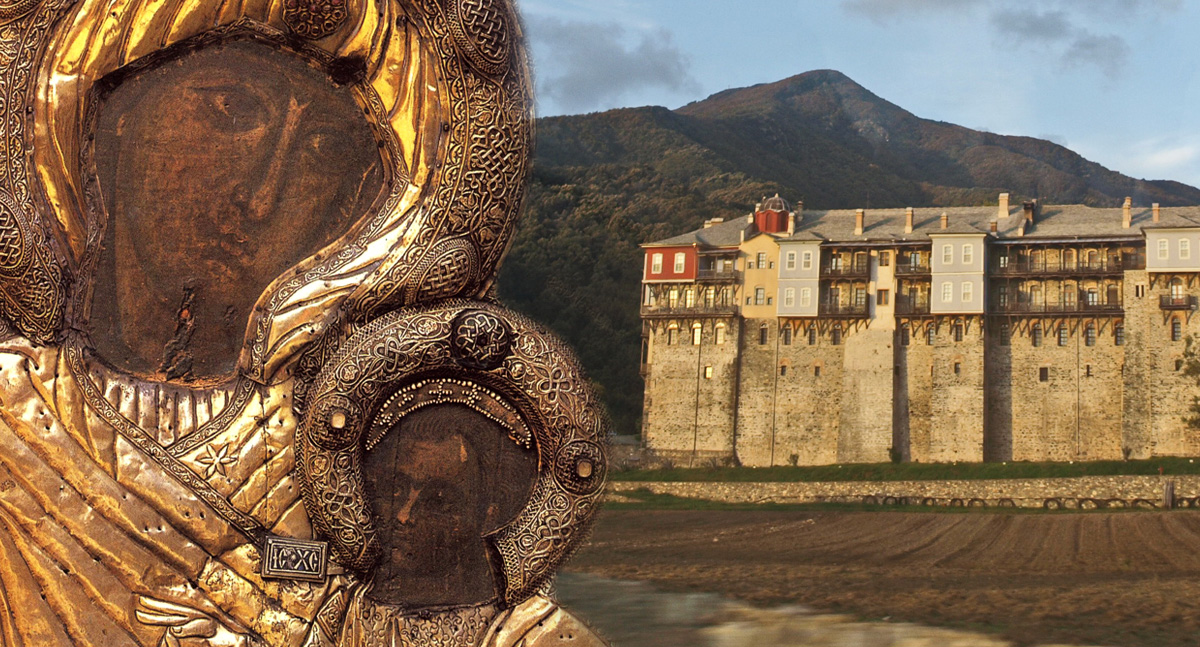
On October 26, the Orthodox Church celebrates the bringing to Moscow of a copy of the Iveron Icon of the Mother of God. How did the ancient image end up on Mount Athos, why is it called the Goalkeeper, and what place did the Iveron Icon take in the life of Moscow? We tell you in the slides of the Foma magazine.
1 What kind of icon is this? The Iveron Icon of the Mother of God, also known as the Goalkeeper, is one of the most revered Orthodox shrines. It received its name from the Iveron Monastery on Holy Mount Athos, founded by immigrants from Iberia, a historical region on the territory of modern Georgia. Church tradition connects the creation of the icon with the name of the Evangelist Luke. Art historians presumably date the surviving ancient image to the 11th–12th centuries.
2 How did the Iveron Icon end up on Mount Athos? According to legend, in the 9th century, during the iconoclastic persecutions, the icon was in the possession of a pious widow who lived near Nicaea. When iconoclast warriors came to her house, one of them hit the image with a spear, and blood flowed from the damaged area. To save the shrine from desecration, the widow lowered the icon into the sea. Many years later, the monks of the Iveron Monastery on Mount Athos saw a pillar of fire above the sea, towering above the icon of the Mother of God. According to legend, God...