In Weimar, a festival preserves Yiddish culture while reinventing it
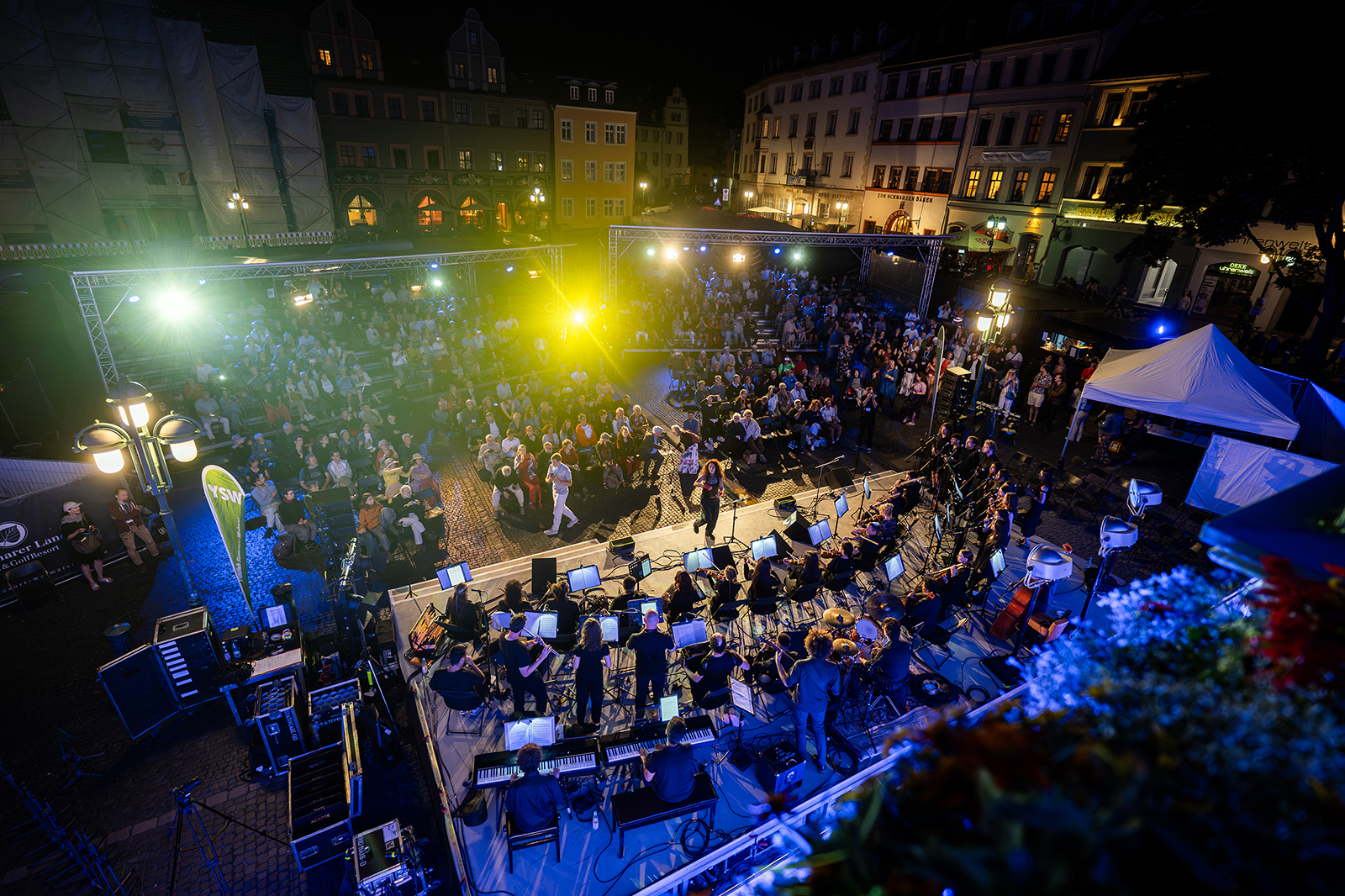
WEIMAR, Germany (RNS) — In Weimar, Germany, where the streets once echoed with the notes and ideas of Bach, Liszt and Goethe, another European musical tradition has been reverberating for more than a quarter-century: Yiddish.
The annual Yiddish Summer Weimar festival brings hundreds of musicians, students and scholars to the city — most famous for the ill-fated republic that preceded Nazi Germany — for workshops, concerts and performances celebrating the language, music and culture of Ashkenazi Jews — a culture the Nazis sought to destroy but that has continued to reinvent itself. Since 1998, the program has both grown alongside and influenced the growth of interest in Yiddish language and culture from a wide swath of society, Jew and gentile, young and old, religious and secular alike.
“From the beginning, (the idea was) to present Yiddish culture as something which is alive, and not something that was entirely destroyed by the Shoah (Holocaust),” said Alan Bern, the founder and artistic director of Yiddish Summer Weimar.
This year the program ran from July 11-Aug. 15, with Aug. 8-15 being the festival week.
Before 1939, Yiddish was spoken by well over 11 million people…