Human rights group calls Nicaragua’s constitutional reforms a ‘usurpation of power’
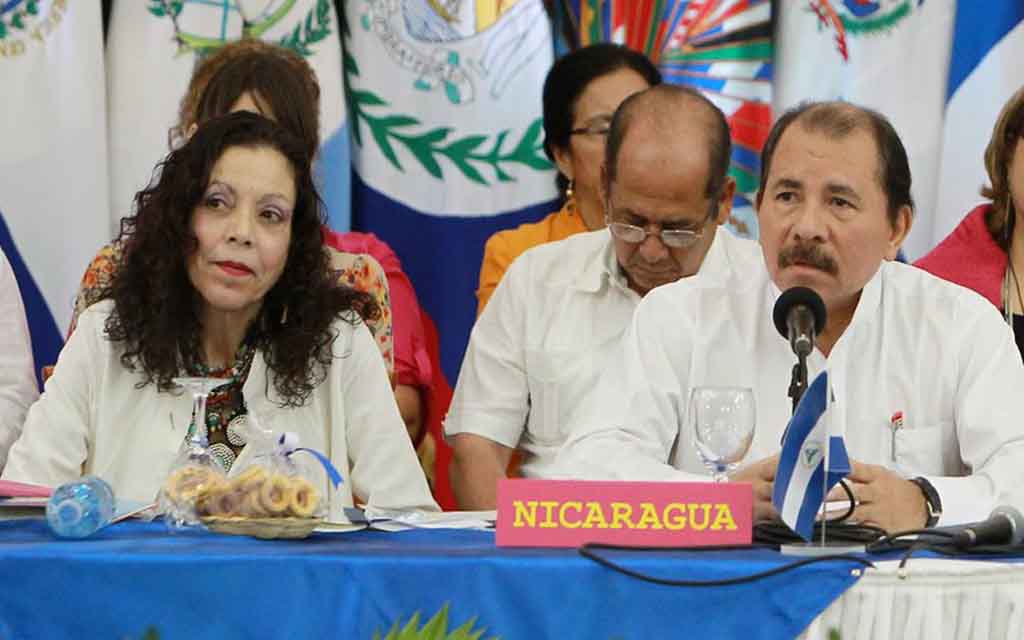
Nicaragua’s National Assembly, controlled by the dictatorship of President Daniel Ortega and his wife and co-president, Rosario Murillo, “unanimously” approved a constitutional reform barring “traitors to the homeland” (the term the regime uses for its political opposition) from participating in elections. The measure has sparked widespread domestic and international condemnation.
The reform was “unanimously approved in general terms,” Assembly President Gustavo Porras stated on Sept. 1 during a special session held in the city of León, according to the Nicaraguan newspaper La Prensa.
The reform amends the constitution, which extends the presidential term, as well as those of other high-ranking officials, from six to seven years, with the possibility of renewal.
Ortega has governed Nicaragua for about 30 years: since 2007, and previously, from 1979 to 1990. On July 19, he stated that there would be no further elections in Nicaragua, and on July 31, he proposed the reform — set to take effect in 2027 — that excludes “coup plotters” and “terrorists,” , terms he uses to refer to the political opposition, from participating in elections.
Reforms are a ‘formalization of the…