Human dignity and care for our common home are non negotiable
Catholic organizations that took part in the COP31 climate summit in Antalya, co-chaired by Türkiye and Australia, express their disappointment at the lack of consensus on moving away from fossil fuels, but also their hope for what comes next. Read all
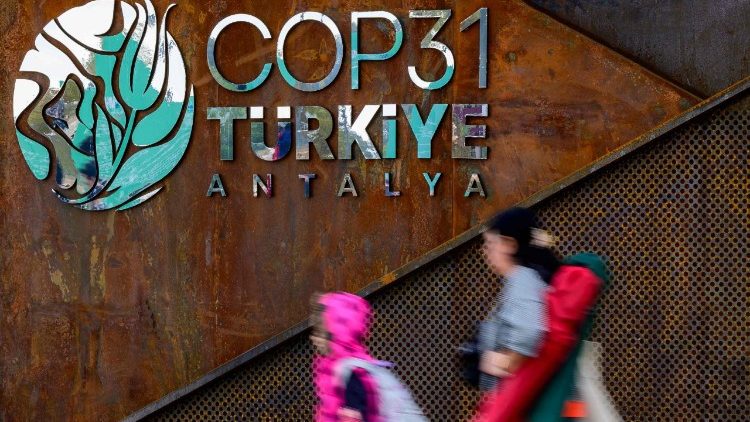
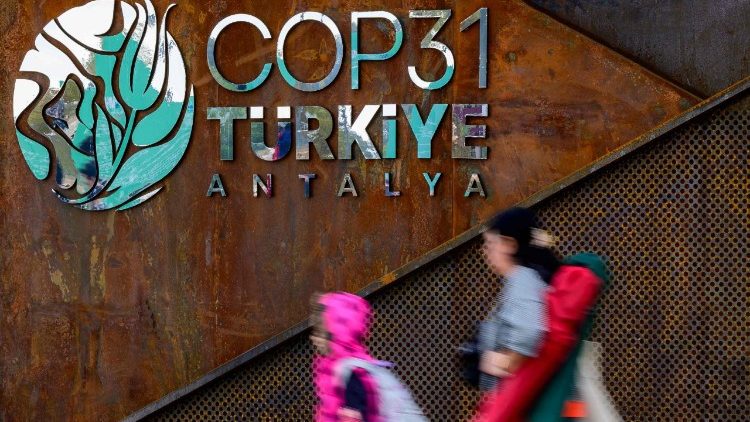
No steps backward, but no significant progress either. This is the rather muted verdict of the Catholic organizations involved in the 31st United Nations Climate Conference, held from 9 to 20 November in Antalya, on Türkiye's Mediterranean coast.
Thirteen days of negotiations and nearly 50 hours of extra time were not enough to produce an agreement among the 198 parties to the United Nations Framework Convention on Climate Change. "It is very rare in the history of COPs to end without an agreement," said Jean-Pascal van Ypersele, the former Vice-Chair of IPCC and now climatologist at the Catholic University of Louvain.
Many experts see the outcome as a sign that climate negotiations need to be rethought. They call for a process that is more transparent, more inclusive, and better able to withstand obstruction by powerful fossil fuel interests.
The lack of a clear strategy for ending dependence on hydrocarbons led many countries, including Panama, Tuvalu, the United Kingdom and the European Union, to reject the final decision proposed by the Turkish and Australian co-presidency.
In a statement published on 22 November, the members of CIDSE, a network of international Catholic social justice organizations, acknowledged that the lack of consensus "is a setback." But it also shows, they said, "that the parties are no longer willing to accept compromises." The organizations are determined to make this failure a "turning point" in the fight against climate change.