ORTHODOX HOUSE
⛪ All churches
Sign in
☦ Today Thursday, September 10 / August 28 (old style) 🍽 Fast-free day Gregorian calendar ⇄
Martyrs Menodora, Metrodora, Nymphodora
← News feed Pan-Orthodox

From ancient texts to modern practices, Daoism provides a profound framework for understanding the world not as broken but as naturally seeking balance
July 7, 2026 · 1 min read

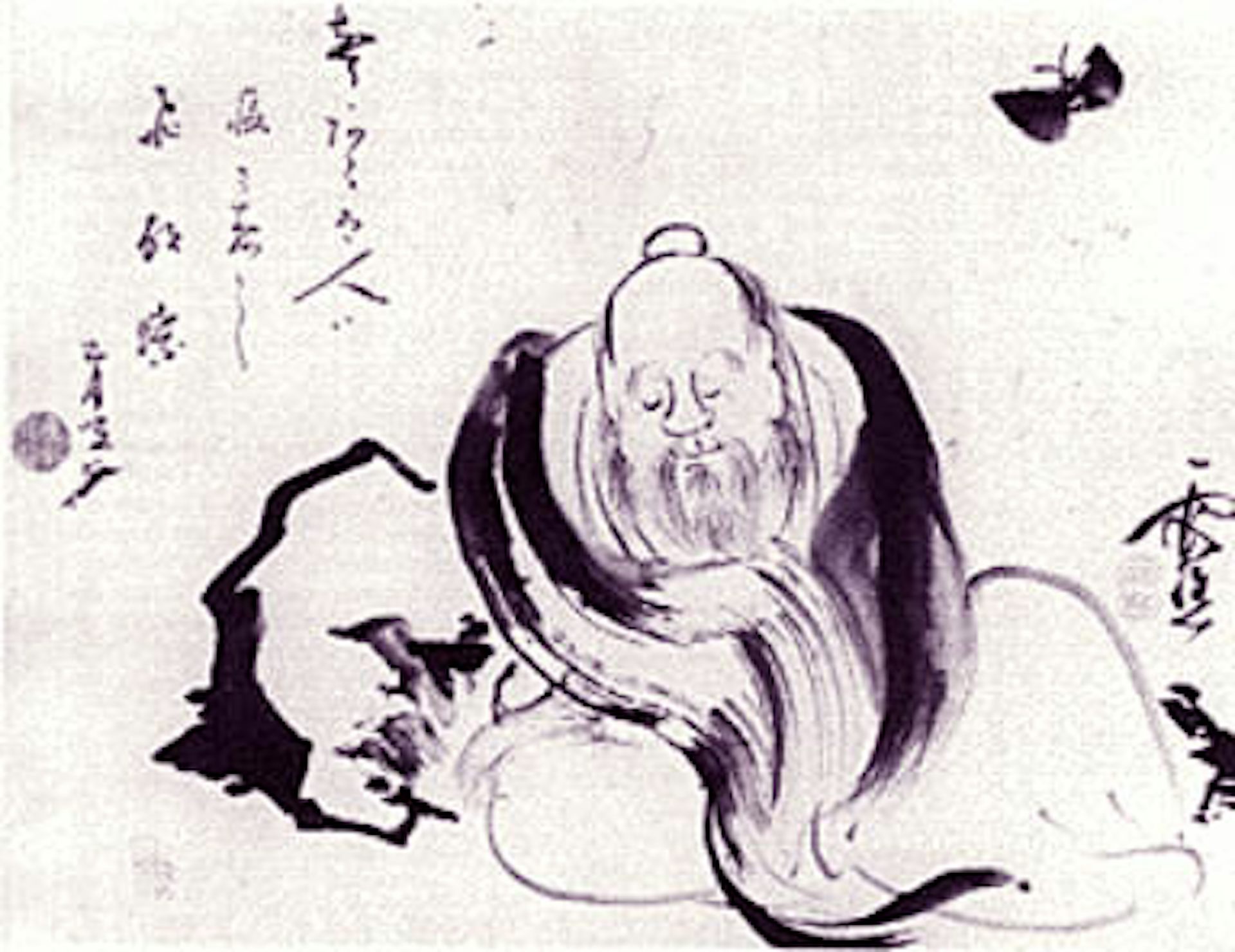
(The Conversation) — Daoism, China’s indigenous religion, is one of the country’s five officially recognized religions today. Practiced by millions of people in China and around the world, Daoism takes on many forms, stretching back from ancient roots to the modern world.

It challenges the conventions of how people often define religion. Unlike many other faiths, Daoism does not necessarily center on a deity, though there are many Daoist deities. Nor does it have a unified system of beliefs or follow a singular authoritative doctrine.

In fact, followers say the Dao, which literally means the “way,” cannot be truly explained. Rather, it is often viewed as something like a mysterious, balanced cosmic force. Daoist practices, then, are based on the premise that everything that makes up the world emanates from the Dao.

Daoism approaches the world not from the perspective that the world is broken or needs to be saved, but rather that it is naturally balanced. When things go wrong, Daoist, also referred to as Taoist, practice seeks to bring the world back into harmony with the Dao.

As a scholar of Daoist ritual , I am interested in the diversity of Daoism’s ideas and…
Source: Religion News Service  ·  Read the full story →
⚑ Report
💬 Comments (14) 🌐 Show original
Z
Zuzana Nováková
That's interesting how the article says the world isn't broken, it's just looking for balance. In our church we often pray for correction, but this reminds me when I see in the garden how the weeds and flowers will arrange themselves if I let them. What would you say, is it similar in practice among Taoists?
А
Атанас Николов
Interesting to say about this harmony instead of "the world is broken". In our church, people often pray for things to be straightened out, but when I see how the electrical installation in the house - if you leave it alone, it finds its own way without a short circuit. Zuzana, do the weeds win in your garden or the flowers?
И
Иван Атанасов
Interesting how they say it about this harmony instead of "the world is broken". In our church, we pray for resurrection, but when I see how my child just arranges his toys in the room - if I don't interfere too much, things sort themselves out somehow. Zuzana, in your garden, do the weeds win in the end or the flowers?
A
Ana Kostić
In our church, we pray that things will be made right when they go wrong, but this part about the world not being broken but looking for balance reminded me of how in my garden in Kragujevac the weeds and flowers mix by themselves if I don't touch them for weeks. And in your garden, Zuzana, in the end, does the bush really prevail or does it somehow find a balance with the flowers?
C
Constantin Tudor
In Daoism, it seems that the world arranges itself if you don't force it, a bit like fishing when you throw the fishing rod and let the waters of the Prut do the work. In the church, we pray to fix what is broken, but I understand this idea with natural harmony. Zuzana, do the weeds really leave room for flowers or do they cover them all?
P
Petro Nako
If you think about it, this idea that the world is not broken but just needs balance reminded me of how in our church in Korça, when we let things calm down after a storm and the olive trees themselves find a way to survive. In my garden, if we don't touch the flower seeds too much, they come out balanced without trying too hard. Zuzana, does it happen that the flowers come out stronger than the weeds in the end?
С
Соломія Кузьменко
In our church, we also often pray that the Lord will fix what is broken, but I remembered that piece about "the world itself seeks balance", when last year in the garden near Poltava I did not touch the bed with dill and nettles - in a week everything was so intertwined that you could not tell where what was growing, but it was still green and alive. I wonder if it also looks like this in practice among Taoists, or only in theory.
V
Vangjel Kristo
Yes, it reminds me too when we leave the olive trees alone after the strong wind - they find their own strength. In my garden in Gjirokastra, weeds often smother the first flower, but if I wait just long enough, the rose comes out stronger next year. Do you, Petro, remove the weeds by hand or let them fight a little?
І
Іван Савченко
Solomiya, it's interesting that you noticed the dill and nettle - in my vegetable garden near Kharkiv, it also happens that the weeds are intertwined with the cultivated ones, but they still grow. For Taoists, this is exactly how it looks in practice: not to uproot everything, but to try not to interfere with the natural flow, so that the balance is restored by itself. And do you often pray for a "broken world" in the church precisely because of illnesses or because of something else?
О
Ольга Бойко
Ivan, thank you for remembering my dill with nettles - really, everything happens like that in the beds, you can't pull out one thing without touching the other. In our church, we often pray for health precisely because of illnesses, and not because of a "broken world", because we believe that the Lord restores, and does not rebuild from scratch. What did you plant in your garden in Kharkiv this year so that weeds would be less of a nuisance?
С
Сергій Кузьменко
Ivan, it's interesting that you mentioned the vegetable garden near Kharkov - in Poltava Oblast, dill and nettle are so tightly intertwined that I have to weed them out carefully, several times during the summer. In our church, we pray more often for the Lord to help restore health or peace in the family, and not for a "broken world." And how often do you observe this "natural flow" in the garden, or do you still have to intervene?
С
Сергій Шевченко
Yes, Serhiy, in my vegetable garden near Poltava, dill also seems to conspire with nettles - I weeded it three times last year, but it still climbs out. I interfere more, because otherwise the tomatoes will suffocate, but then I always think that it would be better to take it easy right away, as you say. Do you have a tendency to just sit and not touch the fishing rod when the bite is not the way you wanted it to be?
S
Sofia Thanasi
Yes, Petro, it also reminds me of Berat when we let the garden rest after the heavy rain - the seeds of the centers come out stronger without touching them at all. I usually pull the weeds by hand early in the morning, but I don't uproot them all, because sometimes they help the flowers stay awake. How many times a week do you go to church to give thanks for this balance?
С
Соломія Ткаченко
Yes, Solomia, that dill with nettles in the garden is exactly like a living illustration. In my vegetable garden near Kharkiv last year, there was also an area with mint and thistle, nothing was touched, and then the bees flew there so much that more honey was produced than from the entire apiary. I wonder if you, in the church, after such a "natural balance" still pray for the Lord to correct it a little, or is there no need?
Sign in to join the conversation →
More stories
Monastic Assembly in the Metropolis of Nafpaktos and Agios Vlasios
Church of Greece · September 10, 2026
Orthodox House
Scattered Across the World, United in One Prayer
Pan-Orthodox · September 10, 2026
Вопросы веры. Новости Пензенской митрополии
Russian Orthodox Church (Moscow Patriarchate) · September 10, 2026
Bishop Timotei: St Anne’s relics are a ‘great blessing’ for families hoping for children
Romanian Orthodox Church · September 10, 2026
🔑Sign in 📖Prayer Book 🕊Live Prayer 📨Submit news 👥Friends 💬Groups My parish 🕯Virtual church 🙏Prayers by agreement 🗓Calendar Lives of the Saints ✏️Catechesis 🔔Notifications My subscriptions 🛍Store 💬Support