Floods in Nepal-Tibet disrupt pilgrimage to Mount Kailash, a sacred mountain with centuries of evolving tradition
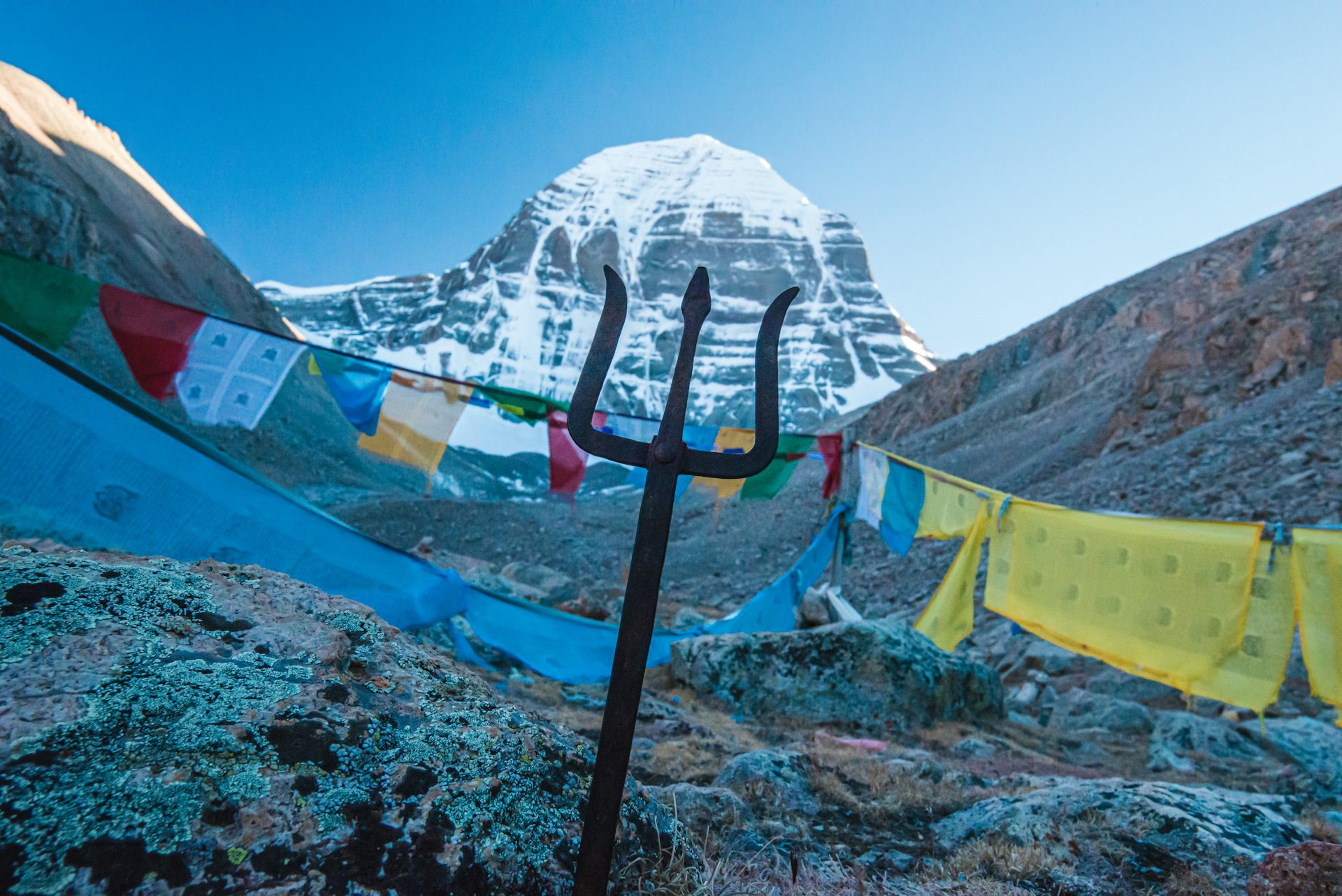
(The Conversation) — Hundreds of pilgrims traveling to Mount Kailash were among those affected by devastating floods that struck the Nepal–Tibet border on Aug. 26, 2026. The floods destroyed the border crossing most commonly used to reach what is arguably the most revered holy mountain in the world, which sits in the Tibet autonomous region of China.
Mount Kailash is revered by Hindus, Buddhists and Jains.
Rudolf Thalhammer/Moment via Getty Images
Hindus know the peak as the dwelling place of the god Shiva , Tibetan Buddhists as the abode of the deity Demchok , and Jains as the site where Rishabhanatha , their first spiritual teacher, achieved liberation. Today it also draws nonreligious travelers, who come for the harsh beauty of the landscape and the difficulty of the journey itself. Pilgrims and travelers do not climb Kailash. Instead, they walk a path roughly 33 miles around its base, which many believe to provide blessings and purification.
The legend of Kailash goes back thousands of years, to ancient Indian traditions describing a mountain at the center of the universe. But for most of that history, the Kailash of Indian literature was not associated with the…