EWTN News explains: Canon law and how it applies to Catholics
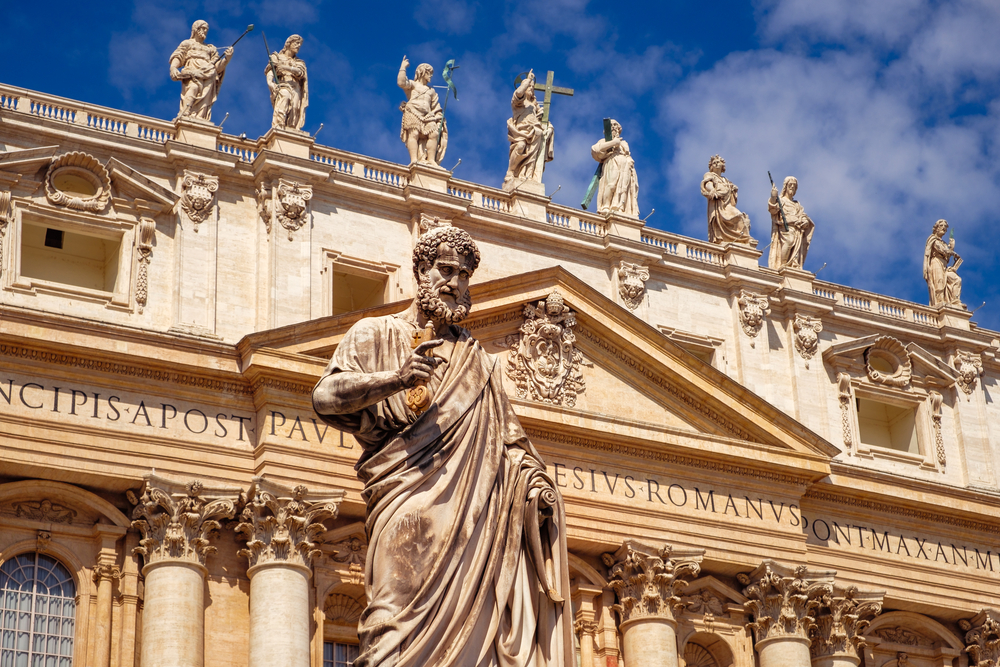
Pope Leo XIV is a pope of several firsts: the first American pope, the first to be an Augustinian, and the first in modern times to have done overseas missionary work.
He is also the first pontiff in nearly 50 years to have studied and worked as a canon lawyer, holding a doctorate in canon law from the Pontifical University of St. Thomas Aquinas (the Angelicum) in Rome.
During his papacy, canon law has featured in some of the most important events of his reign. From the excommunication of four bishops consecrated for the SSPX to his recent appointments as Vatican judges, to the Marko Rupnik trial to his curial appointments, canon law has become a key aspect of understanding Leo’s pontificate.
However, for many Catholics, canon law is more than merely a feature of Vatican administration. It is important to Catholics' relationship with the Church, especially in upholding justice — the very purpose of canon law.
Marriages, eligibility to receive the sacraments, and the allocation of Church property are among the most basic, often overlooked, uses of canon law.
Here are some important things to know about canon law and how it applies to Catholics.
What is canon law?…