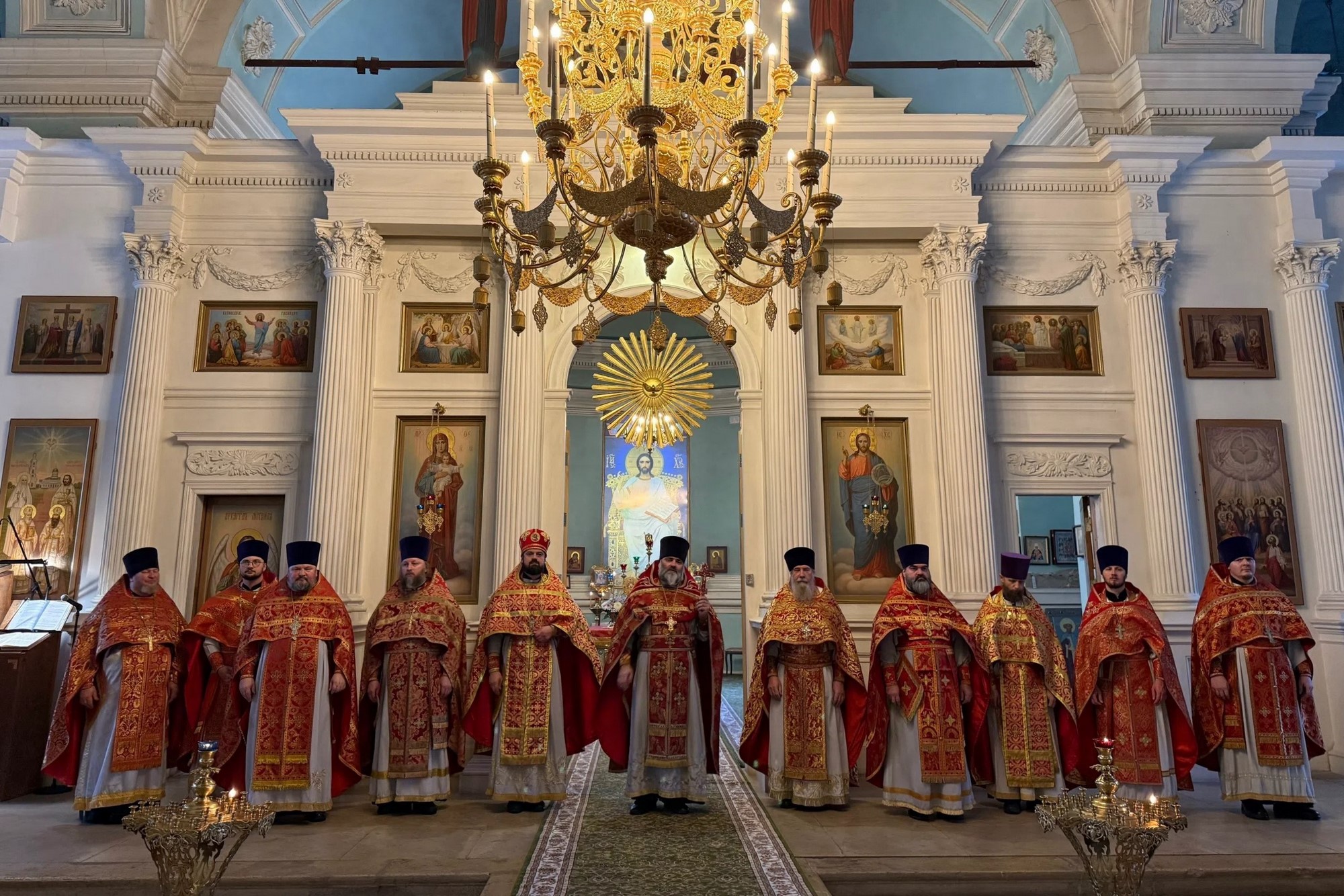
This day in Russian history - Today we remember the Venerable Paisius (Velichkovsky) and Metropolitan of Ivanovo-Voznesensk Pavel (Galkovsky)translated
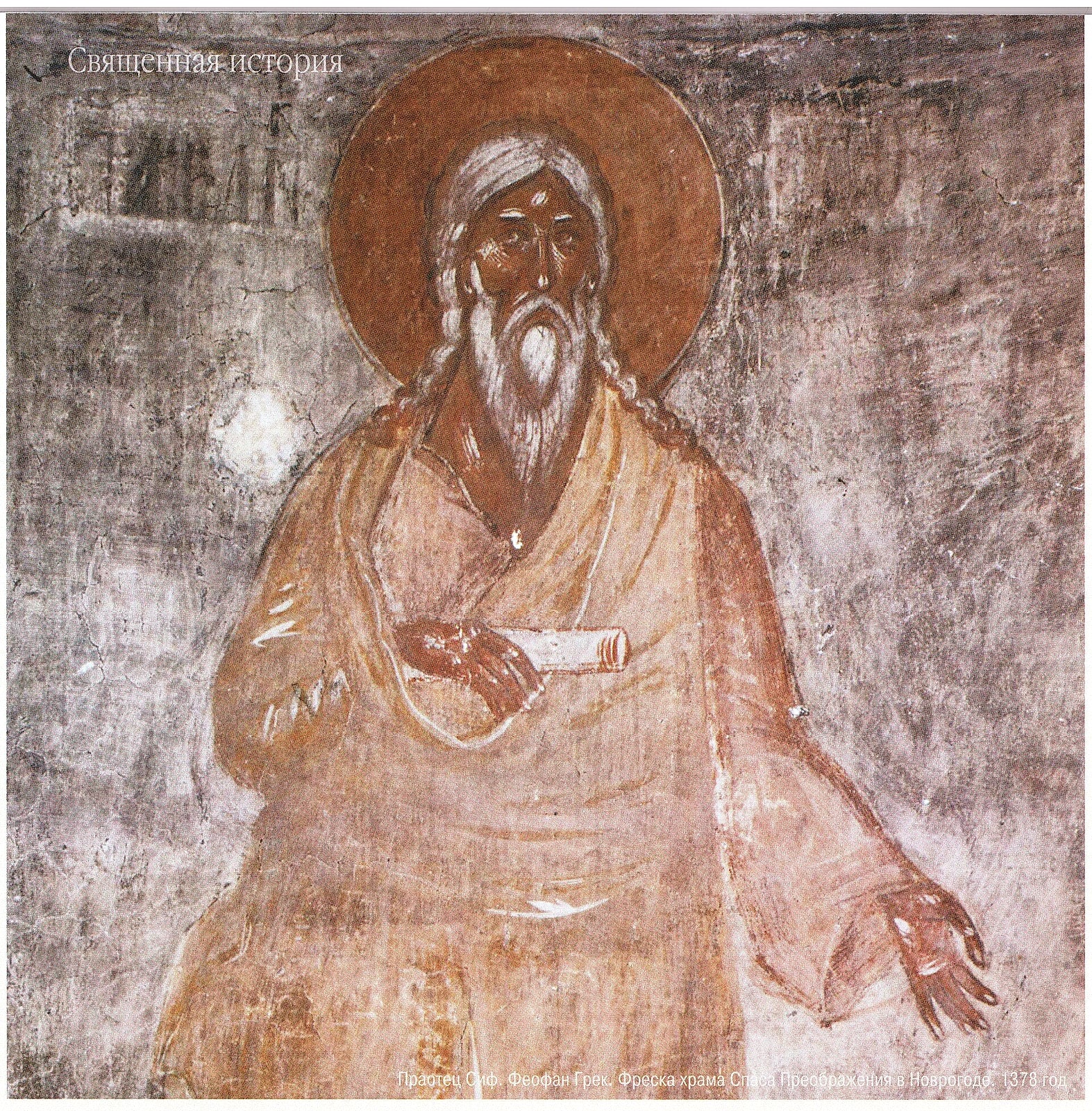
The Monk Paisius (in the world Peter) was born on December 21, 1722 in the city of Poltava in the family of John Velichkovsky. Peter's brother, father, grandfather and great-grandfather were priests. From early childhood the monk was left without a father and brother and was raised by his mother Irina. The boy learned to read and write from the psalter, and at the age of 13 he was sent to study at the Kyiv Theological Academy. Here, under the leadership of Hieroschemamonk Pachomius, Peter cultivated a monastic character.
At the age of 17, he entered the Lyubech Monastery, moved to the Treistena monastery in Moldova, and from there to the Kerkul monastery, which was distinguished by its particularly strict monastic life. Then the monk moved to Athos, where he founded a special monastic community - the monastery of St. Elijah. In 1758, at the age of 36, he was ordained to the priesthood. In 1763, the Monk Paisius with 64 monks moved to Moldavia, to Wallachia, at the request of the local ruler, for a better organization of monastic life in this country and was appointed abbot of the Dragomirna monastery.
The land on which the Dragomirn Monastery was located went to Catholic Austria after the Russian-Turkish War (1774). Father Paisius, not seeing the possibility of spiritual peace in the Eastern Church in the new state, decided to leave and take with him the entire brethren - 350 people. Lord Gregory Ghika and Metropolitan Gabriel provided them with the poor Sekul monastery, secluded in the mountains, in the name of the Beheading of John the Baptist. When the brethren multiplied and the Monk Paisius began to ask for help in building a cell, he was ordered to move with the brethren to the richest Nyametsky monastery, which he did in 1779, leaving part of the brethren in Sekule.
The Monk Paisios arranged life in the Nyametsky monastery in the image of Dragomirna and Sekula - community life, mental prayer, correspondence and reading of patristic books, daily (morning and evening) confession of thoughts to confessors. In 1790, the Monk Paisius was elevated to the rank of archimandrite, continuing to minister to Sekul and other surrounding monasteries and monasteries.
Throughout the entire period of his senile labors in the Moldavian monasteries, Abba Paisius taught the brethren mental prayer, continuing the single line of the Fathers of the Philokalia, St. Gregory of Sinaite, St. Gregory Palamas and St. Nilus of Sora. The Monk Paisius cited numerous proofs and testimonies of the patristic veneration of mental prayer: “Lord Jesus Christ, Son of God, have mercy on me,” which is both prayer and confession of faith. “Mental-heart prayer is for the successful, for the average - singing, that is, ordinary church hymns, for beginners - obedience and work,” the elder taught.
In 1790, Rev. Paisius accepts the rank of archimandrite from the Bishop of Ekaterinoslav. The saint reposed on November 15, 1794 and was buried in the cathedral church of the Ascension in the Nemyatsky monastery, where he labored in the last years of his life.
His translations from Greek into Russian of the patristic works, which for a long time were the only ones in Russian literature, were read everywhere. Thus, he published: “Philokalia”, the works of St. Isaac the Syrian, St. Theodore the Studite, St. Barsanuphius, St. Gregory Palamas, St. Maximus the Confessor, “Enraptured Classes” - a collection of the works of St. John Chrysostom, and much more. St. Paisius is the revivalist in Russia, after St. Sergius, of the school of eldership, which throughout the 19th century and later bore its blessed fruits in the field of saving the children of the church in the Glinskaya and Optina hermitages and other monasteries of the Russian Church.
Today is the day of remembrance of a prominent participant in the monarchist movement, chairman of the Vitebsk department of the Union of the Russian People, Metropolitan of Ivanovo-Voznesensk Pavel (Galkovsky), who was shot in 1937.
He was born on January 9, 1864, came from the clergy and was known in the world as Pavel Mikhailovich. He graduated from theological seminary, in 1888 he was tonsured a monk and ordained a hieromonk. He was elevated to the rank of archimandrite and appointed rector of the Petrovsky Monastery, then he was rector of the Intercession Cathedral in Vitebsk until 1918. Here he took an active part in the patriotic movement, serving as chairman of the Vitebsk department of the RNC. In the fall of 1909, he was invited to Moscow to a monarchist congress, which was organized by Archpriest John Vostorgov, but he could not come and sent a welcoming telegram. In November 1915 he was among the participants in the Petrograd meeting.
After the revolution, like many other Russian Orthodox patriots, he went through a confessional path that ended in martyrdom. He was arrested for the first time back in 1918 and imprisoned in the Vitebsk prison, then transferred to Moscow to the Butyrka prison. Upon release from prison, he served in 1919−21. confessor at the Athos courtyard. In July 1921, he was consecrated Bishop of Buzuluk, vicar of the Samara diocese. On September 15, 1923, he was arrested on charges of “anti-Soviet activity” and imprisoned in Tagansk prison, in 1924−27. was in exile in Central Asia, then in Kazan. In 1927−29. Bishop Yegorievsky, vicar of the Ryazan diocese, temporarily ruled the Voronezh, then Vladimir dioceses. Since October 31, 1929, Bishop of Ivanovo-Voznesensky, in 1930 he was elevated to the rank of archbishop, in 1935 - metropolitan. In 1933, he was subjected to further repressions by the Soviet authorities. In January 1936 he was arrested for the last time and executed the following year.