Embryo personhood, once on the margins of abortion debates, is moving closer to the center
(The Conversation) — About 100,000 babies were born through in vitro fertilization in 2024, according to the most recent U.S. data. But IVF commonly involves trying to create multiple embryos , because success is never guaranteed. If unused, those embryos can be frozen, discarded, donated to research or donated to another fertility patient.
In the eyes of some anti-abortion activists, those frozen IVF embryos are already children – children who need to be “adopted” into families. And that idea now appears in a federal document: grant guidelines announced by the Department of Health and Human Services in June 2026.
The department’s Embryo Adoption Awareness and Services program has existed since 2002. But this year’s funding notice describes IVF embryos as “children who already exist and are in need of a family.” Rather than presenting “embryo adoption” as one option among many for patients with remaining embryos, the document describes the practice as centered on embryos’ “rights ” and “best interests.”
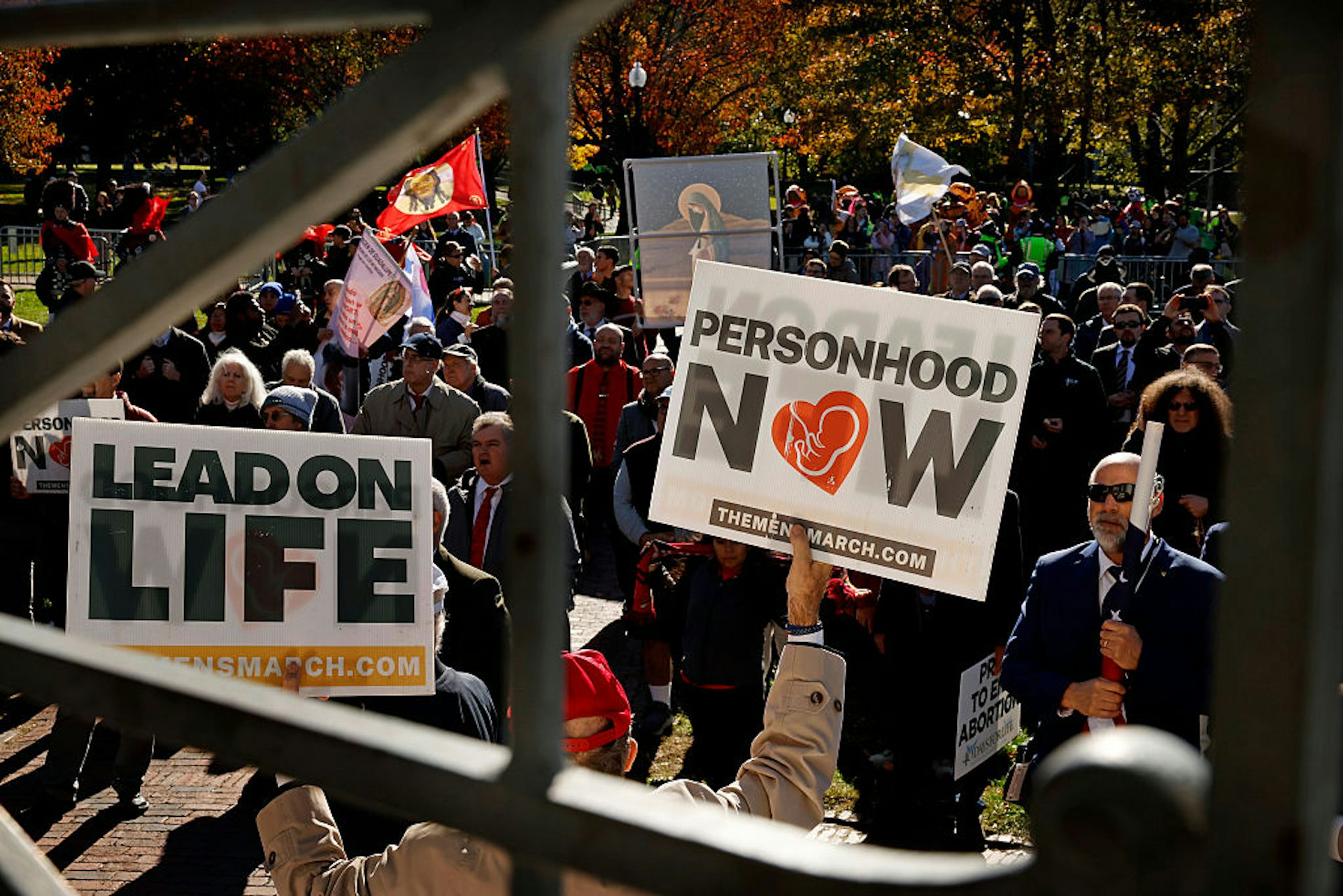
This language draws from a decades-long movement to give personhood status to fetuses and embryos, including those made in fertility clinics. The personhood movement is…