Dr. Jelisei Heikkilä: The Canonical Autonomy of the Orthodox Church of Finland
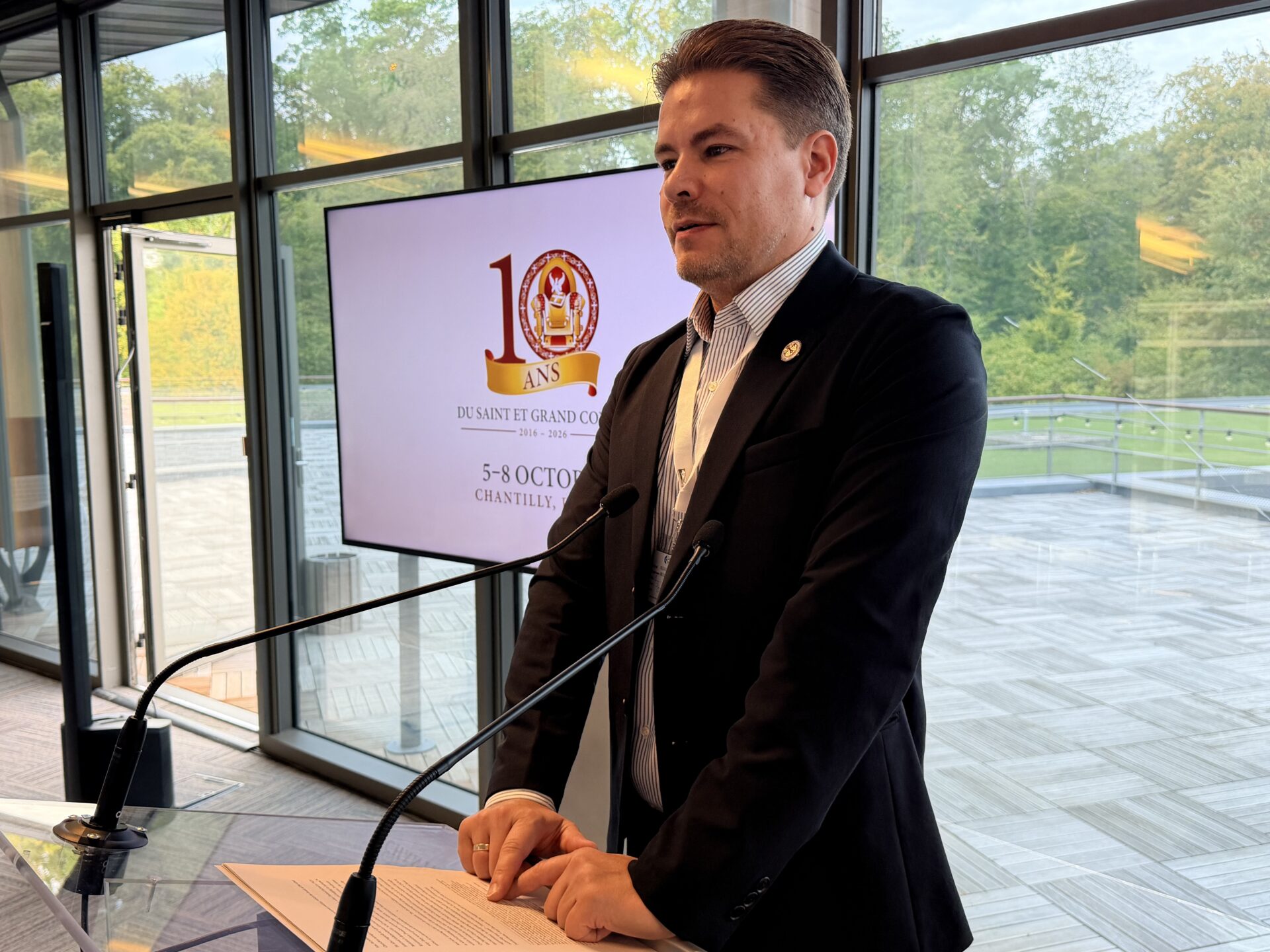
Dr. Jelisei Heikkilä examined the complex history of the autonomy of the Orthodox Church of Finland, its changing relationship with Moscow and Constantinople, and the significance of the Holy and Great Council of Crete during the international conference in Chantilly, France, on October 6.
Speaking on “The Canonical Autonomy of the Orthodox Church of Finland: History and the Document of the Council of Crete,” Heikkilä explained that the Finnish Church has experienced two distinct phases of autonomy: the first granted by Patriarch Tikhon of Moscow in 1921 and the second established under the Ecumenical Patriarchate in 1923.
Following Finland’s independence and amid the disruption of relations with the Russian Church after the establishment of the Soviet regime, the Finnish Church initially sought autocephaly. Patriarch Tikhon instead declared it autonomous in 1921.
Two years later, a Finnish-Estonian delegation travelled to Constantinople. Ecumenical Patriarch Meletios IV rejected the request for autocephaly but approved a new arrangement of autonomy. The 1923 Tomos placed the Finnish Church under the care of the Ecumenical Patriarchate while explicitly acknowledging the…