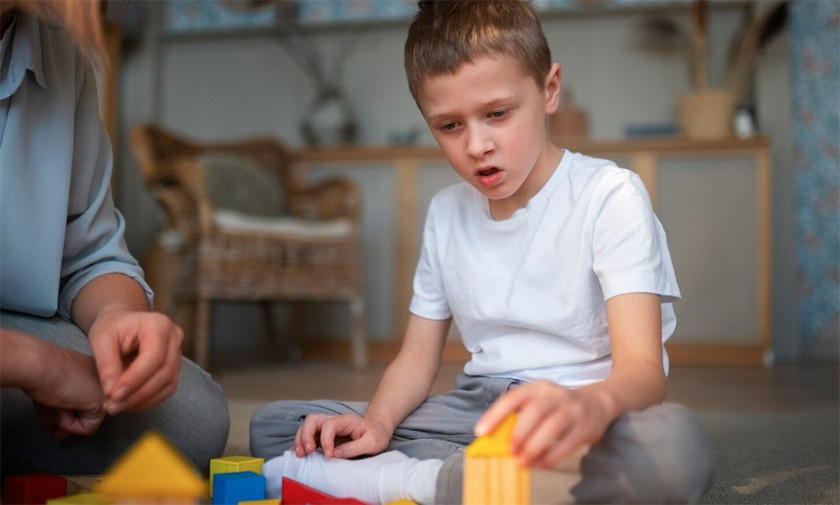
“My daughter passed the PMPK, but I never sent the conclusion to school.” Parents and experts - about the work of the commissiontranslated

In first grade, daughter Karina M. had difficulty reading. Karina, a teacher herself, suspected dyslexia. But the teacher attributed the problems to laziness: “Read more with your child.”
Karina sat with her daughter on homework every evening - and so on until the 5th-6th grade. Overall, the girl studied well. In the eighth grade, she suddenly began to be afraid to go to the blackboard; she began to experience tachycardia. When the teacher asked her questions, she felt a lump in her throat. The teachers waved it off: “I’m not ready again.” Endocrinologists diagnosed the teenager with hypothyroidism, and this disease affects both memory and attention.

At the end of the eighth grade, the girl was given a D for the year in algebra: “Study in the summer. Retake it in the fall." She regularly attended extra classes all summer, and in September the teacher announced that she would give her a C in geometry, and a two again in algebra. Karina was told: “We are sending the child to primary medical care.” That is, the psychological-medical-pedagogical commission.
- I had mixed feelings. On the one hand, there is hope that specialists will finally see the problem and help. On the other hand, fear and shame. How is it that I, a teacher, have a child who is “not like that”? - Karina tells Pravmir.