Did the Third Ecumenical Council Establish the Honor Given to the Virgin Mary?
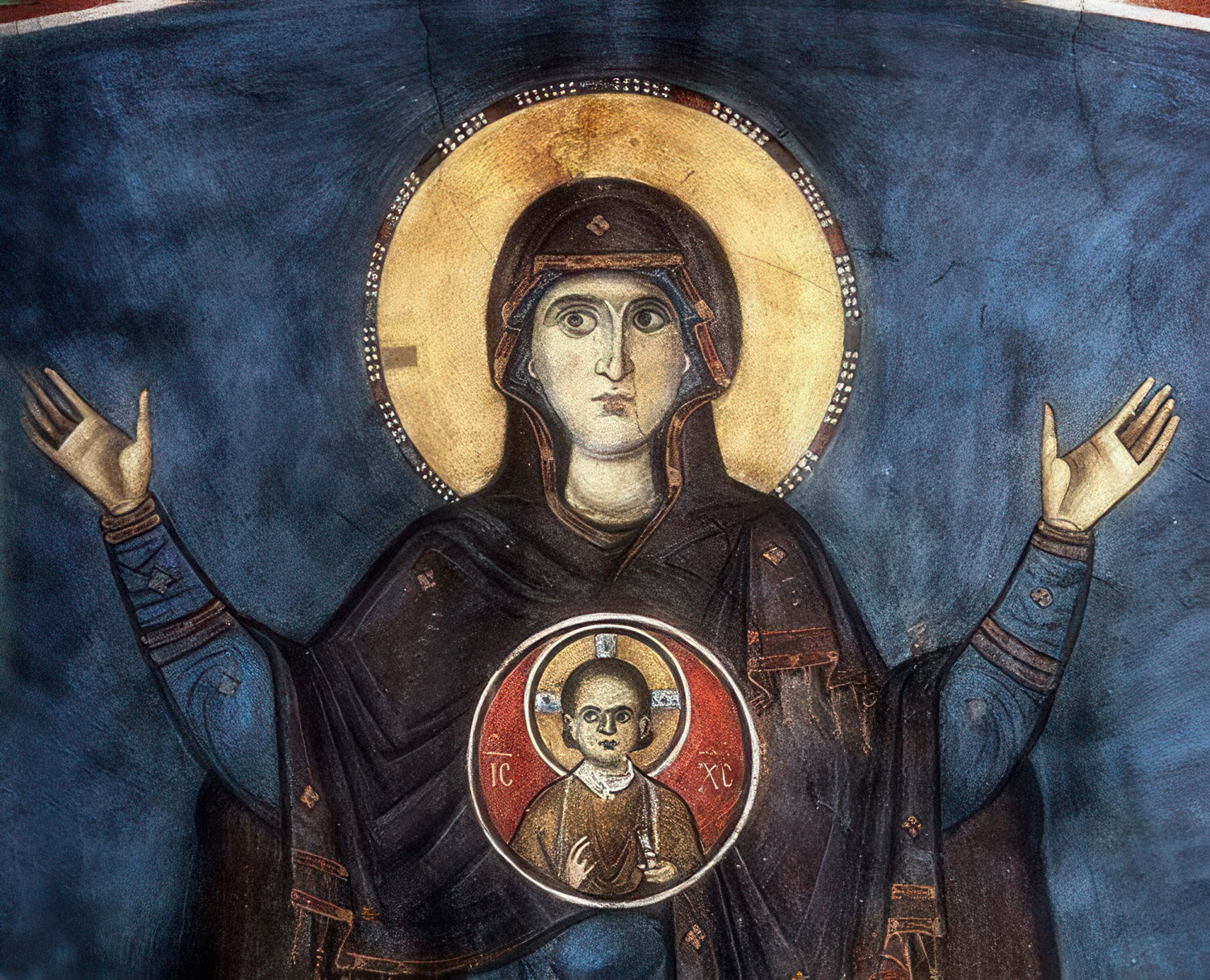
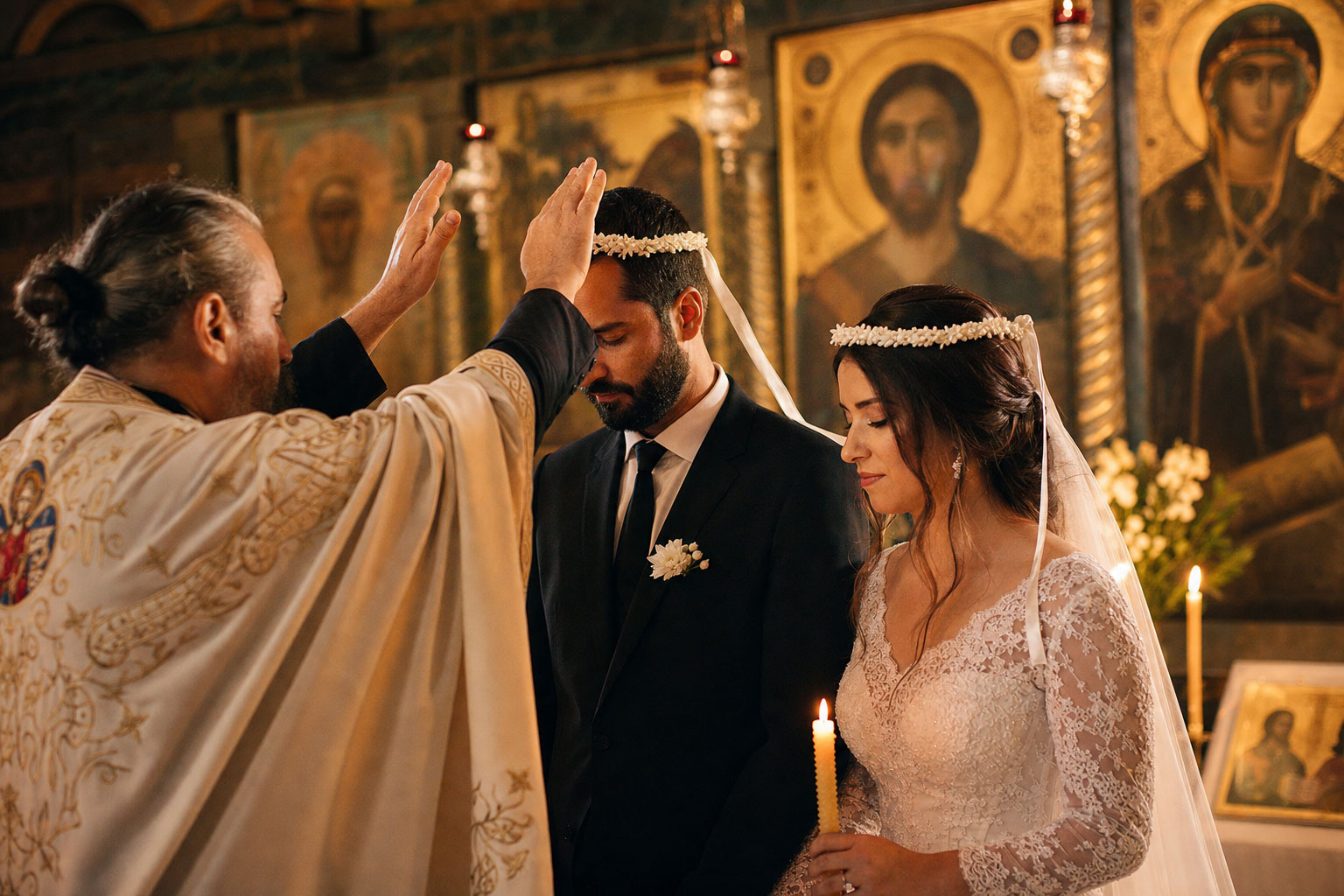
Sometimes one hears the accusation that honor toward the Virgin Mary, the Mother of the Lord, supposedly appeared suddenly in the fifth century and was imposed by the Third Ecumenical Council at Ephesus in 431 AD. This view does not withstand serious historical and theological examination. The Council of Ephesus did not “invent” honor toward the Theotokos, nor did it introduce any new “worship” of her person. What it did was defend the already existing faith of the Church against the Nestorian false teaching.
The Orthodox Church is entirely clear: worship is offered only to the Triune God. To the Panagia are given honor, reverence, and veneration, because she is the Mother of the incarnate Son and Word of God. She is not honored apart from Christ, but precisely because she is connected with the mystery of the Incarnation. Honor toward the Theotokos is deeply Christological: when the Church confesses Mary as Theotokos, it confesses that the One born from her is not a mere man, but God the Word Himself, who became man.
What Exactly Did the Third Ecumenical Council Decide?
The Third Ecumenical Council was convened in Ephesus in 431 AD, chiefly to address the teaching of…