Canadian bishops ‘deeply concerned’ after high court rules in favor of religious symbol ban
“No person should be required to choose between the faithful expression of his or her religious convictions and the opportunity to serve society,” the bishops said after the ruling.
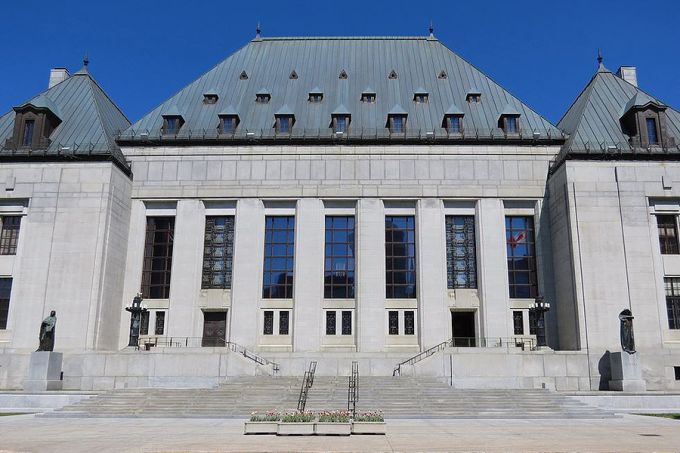
Religious and civil rights advocates reacted with disappointment to the Supreme Court of Canada’s landmark ruling on Nov. 27 that largely upholds Quebec’s Bill 21, banning public servants from wearing religious symbols such as hijabs, turbans, kippahs, and crucifixes.
The decision arrives eight months after a historic four-day process from March 23-26, featuring arguments from a record 51 intervenors, including six attorneys general, that joined those of the main appellants and respondents.
Chief Justice Richard Wagner stated in the majority opinion of English Montreal School Board, et al. v. Attorney General of Quebec, et al that Bill 21 “is rooted in Quebec’s legitimate and historical commitment to ensuring the laicity of the state in a free and democratic society.”
The lone exception to the law, issued by all seven justices in this case, is for elected members of the National Assembly of Quebec. They found Section 8 of Bill 21, which prevented members of the National Assembly from working with their faces uncovered, infringes on Section 3 of the Charter, which declares every citizen of Canada has a right to vote or seek election as a member of a legislative body.
This…