Biblical Foundations of Alfred Hitchcock's Filmstranslated
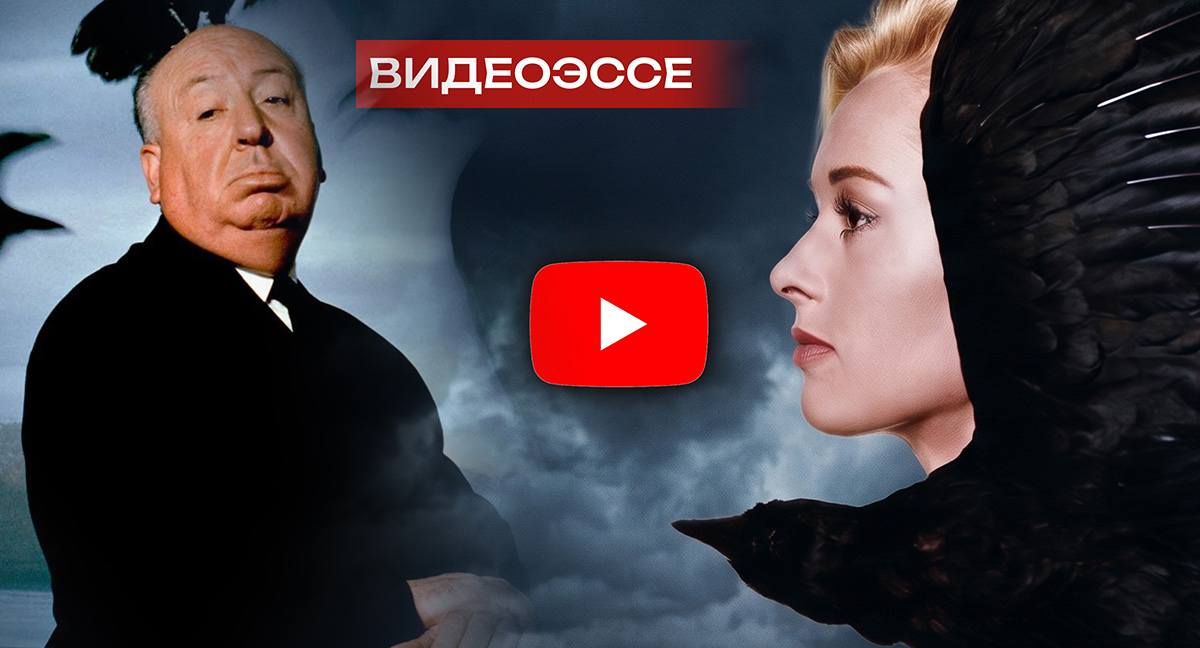



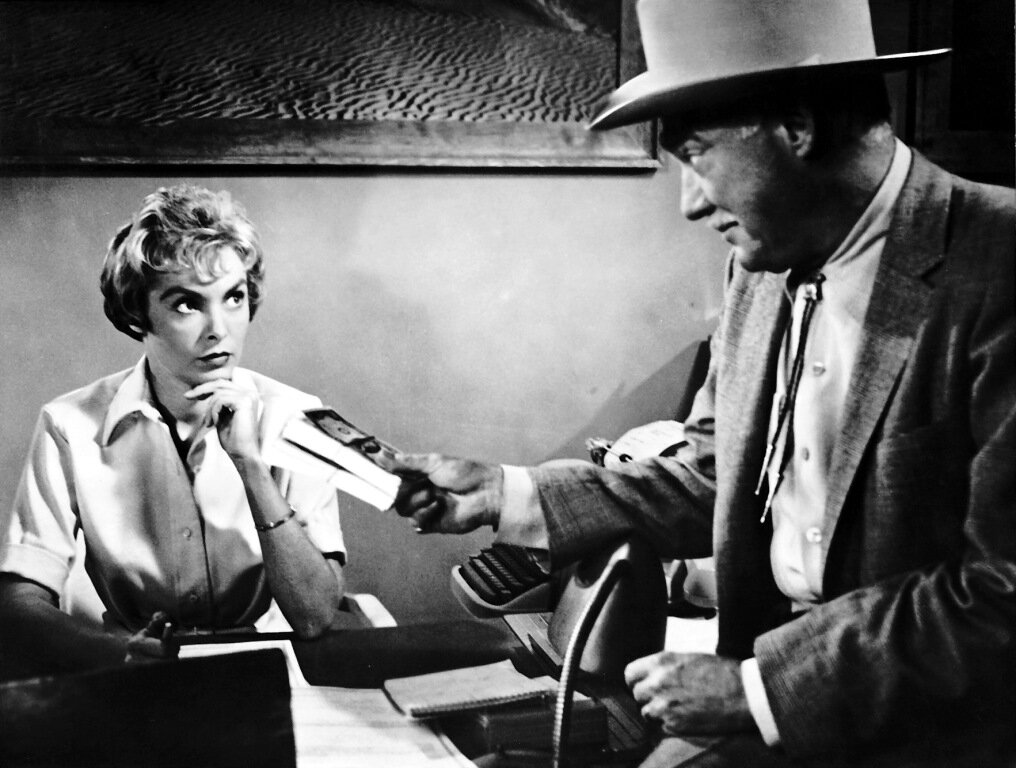
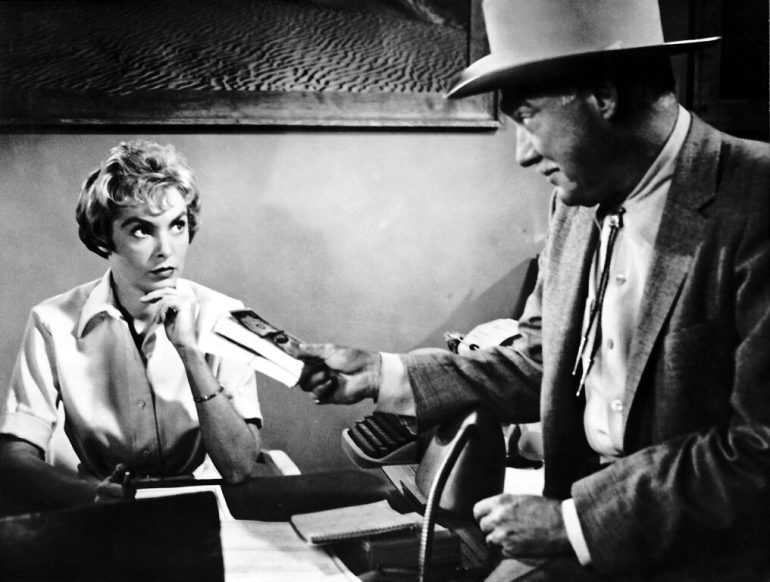
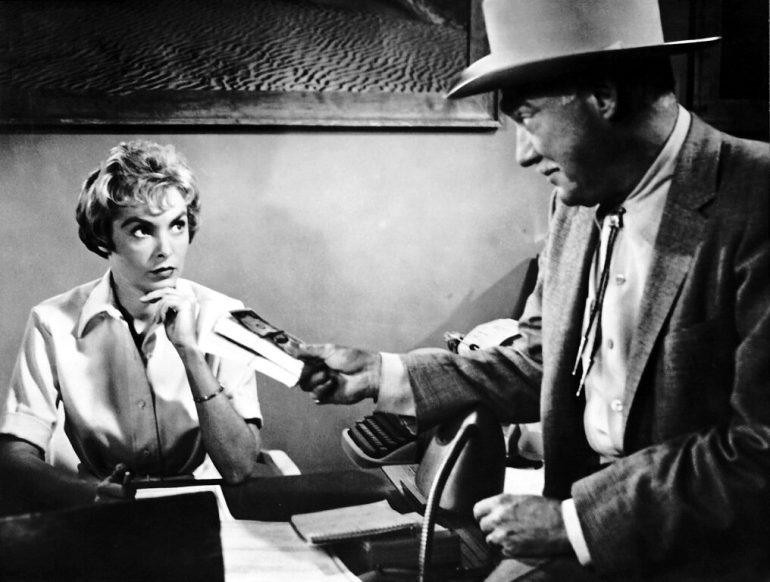
Alfred Hitchcock — the legendary "Master of Suspense." He directed more than fifty films, coined the term "macguffin," [1] taught audiences to fear the bird, the window, and their own neighbor — and throughout his entire life remained a practicing Catholic, a Jesuit-trained man, for whom categories of sin, guilt, and redemption were not metaphors, but the working language of describing reality. This is usually mentioned in passing, as a biographical detail. Yet it is precisely this language — biblical, Old Testament in tone — that organizes the internal dramaturgy of almost every significant film of his.
Lev NAUMOV
Writer, cultural scholar, film critic
Watch on VK Watch on Rutube Watch on YouTube Listen to the podcast:
A conversation about culture as an unceasing dialogue with the Divine would be incomplete without Hitchcock — simply because his dialogue with the Divine rarely sounds out loud, using much more appropriate metaphysical means. He stitches it into the composition of the frame, into the logic of punishment, into the fact that the camera denies the hero empathy precisely when the audience is ready to forgive him. Let us — with caution, without imposing anything — try to discern in two of his...