November 28translated
Lent of the Nativity Saint Irenarchus, martyr with seven women in Sebaste (303); Saint Hilary and his wife Saint Quiéta, of Dijon (5th century); Saint Stephen the Younger,
Nativity Lent - exemption from fish
Saint Irenarchus, martyr with seven women at Sebaste (303); Saint Hilary and his wife Saint Quiéta, of Dijon (5th century); Saint Stephen the Younger, monk and abbot of Mont-Saint-Auxence, martyr (766); Saints Stephen, Basil, Gregory, Gregory and John and their companions, martyrs (8th century); Saint Theodore, Archbishop of Rostov, iconographer (1394); saints neo-martyrs of Russia: Seraphim (Tchitchagov), metropolitan (1937), Alexis (Veselovsky), Alexis (Smirnov), Basil (Zavgorodny), priests, Raphael (Tiupin), Vincent (Nikolsky), monks, and Anisia (Maslanov) (1937), Parasceve (Fedorov) (1938), Nicholas (Krylov), priest (1941).
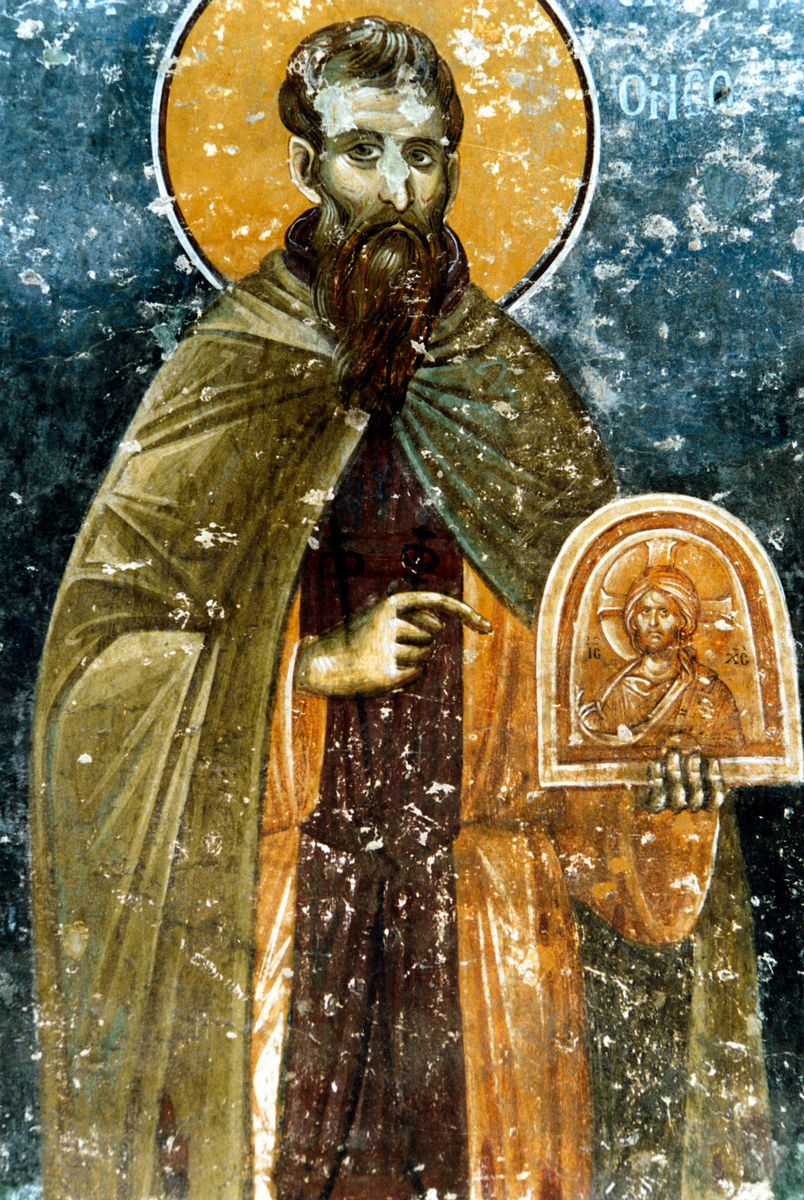
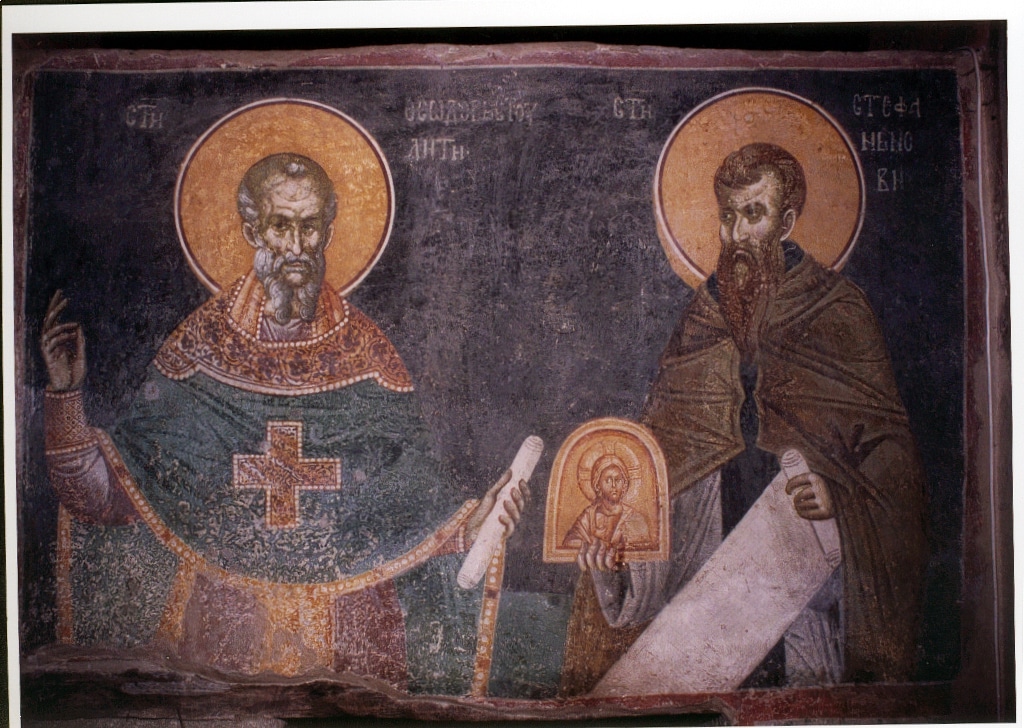
LIFE OF SAINT STEPHEN THE YOUNGER Saint Stephen the Younger was born in 715 in Constantinople, to pious and distinguished parents, who had remained without offspring for a long time. By obtaining this boy from God, following an apparition of the All Holy Mother of God, they took an oath to consecrate him to divine service. When the time came for Stephen's parents to fulfill their promise and dedicate their son to God, Emperor Leo III the Isaurian (717-741) began to take his first measures prohibiting the worship of holy images and persecuting the defenders of Orthodoxy. They therefore judged it more prudent to move away from the capital, and to entrust their son to the monks of Mont Saint-Auxence, near Chalcedon. The young boy of sixteen was received with joy by these holy men and put on the holy angelic habit that same day. He became the disciple of an experienced Elder named John. Stephen showed perfect obedience and equal zeal for the most demanding obediences as for the praise of God. After some time his father died, and Stephen went to Constantinople to settle his affairs and distribute his property to the poor. John, his spiritual father, also shortly after handed over his soul to God, and Stephen was chosen in his place as igumen by all the brothers gathered together. Under his diligent leadership, and thanks to his great humility, the small group of ascetics grew to reach the number of twenty brothers, sufficient to form a cenobitic monastery. The saint organized his life, then he retired to the top of the mountain, to devote himself to silent prayer. The cell he built for himself there was roofless and exposed to all the weather, and it was so cramped that one could barely stoop down. Dressed in a thin tunic at all times, wearing heavy chains on his body, and contenting himself with just enough food to keep him alive, Saint Stephen made great progress in contemplation and unwittingly attracted to himself numerous disciples and visitors, who spread his fame throughout the Empire. When Leo III died (741), his son Constantine V was crowned emperor. As soon as his authority was well established, he unleashed a savage repression against those who venerated the holy images. In 754, the tyrant convened a pseudo council, composed of more than three hundred bishops subject to his authority. He made them officially proclaim the suppression of the cult of icons. With this decision in mind, Constantine V had the holy images destroyed everywhere. Everywhere, agents of the emperor beat, tortured and imprisoned the confessors. This was thus the opportunity to carry out a systematic persecution against monasticism. Monasteries were closed, and some were even converted into barracks, baths or other public buildings. Monks were ridiculed, forcing them to wear secular clothing and marry under penalty of torture. Without fear of reprisals, Saint Etie