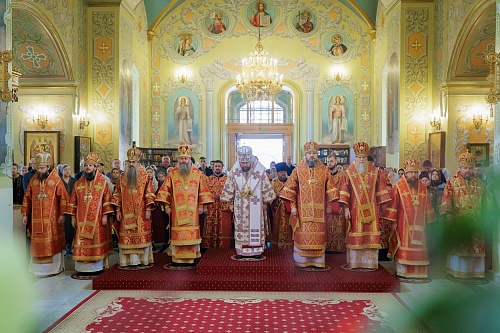
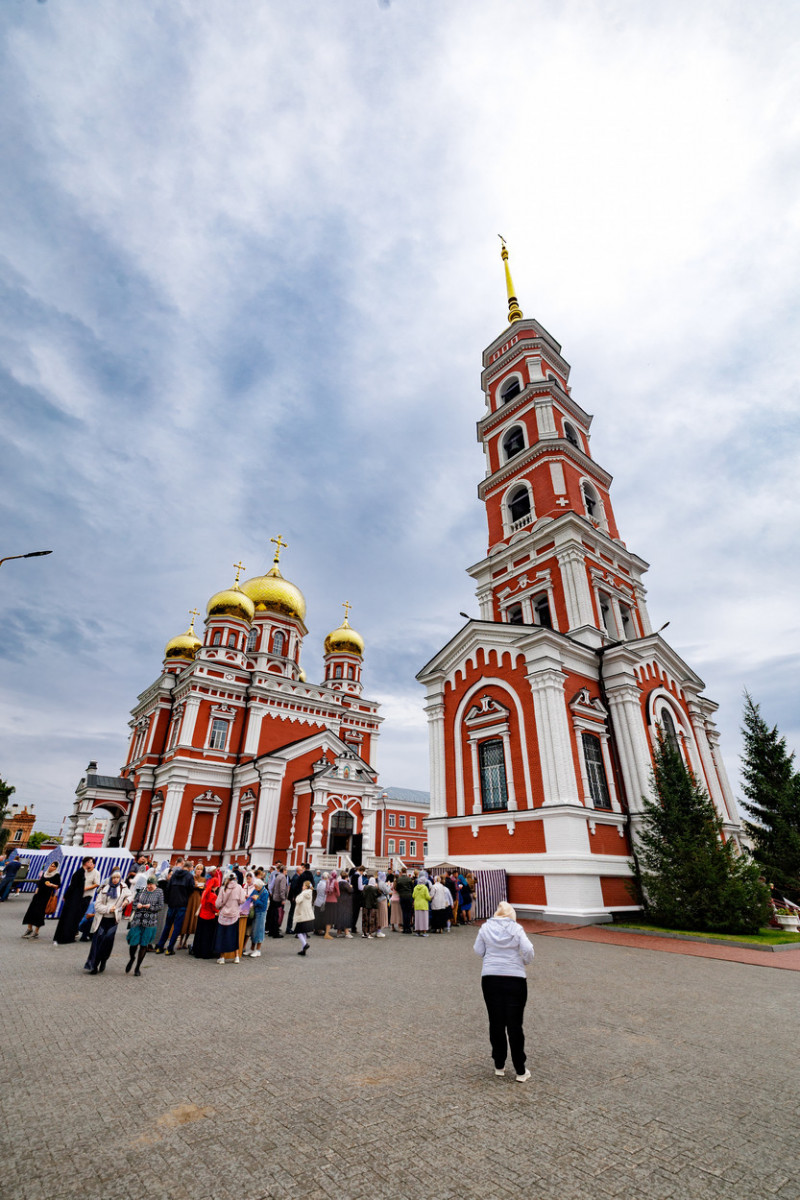
On September 14, the Orthodox Church celebrates the beginning of the indictment - the Church New Yeartranslated
In the 6th century, during the reign of Justinian I (527–565), the Christian Church introduced calendar reckoning based on indictions or indictions (from Latin indictio - announcement), 15-year periods of tribute. In the Roman Empire, indictio was understood as the designation of the number of taxes that should be collected in a given year. Thus, the fiscal year in the empire began with the emperor’s “indication” (indictio) of how much taxes needed to be collected, while every 15 years the estates were revalued (according to V.V. Bolotov, indictions were of Egyptian origin). The official Byzantine reckoning, the so-called indictions of Constantine the Great or the Constantinople reckoning, began on September 1, 312. In Byzantium, the church year did not always begin on September 1 - both in the Latin West and in the East the March calendar was well known (when the beginning of the year is considered to be March 1 or March 25 (the date of the Feast of the Annunciation)). In general, the solemn celebration of the New Year on September 1 can be considered a late Byzantine phenomenon. On this day, the Church remembers how the Lord Jesus Christ read in the synagogue in the city.
Nazareth is the prophecy of Isaiah (Isaiah 61:1–2) about the coming of a favorable summer (Luke 4:16–22). In this...