November 13 (old calendar) / November 26 (new)translated
Fast day Saint John Chrysostom, archbishop of Constantinople (407); holy martyrs Antoninus, Nicephorus and Germanus, holy martyr Manathas, in Caesarea of Palestine (c. 308); Saint Miter, martyr to
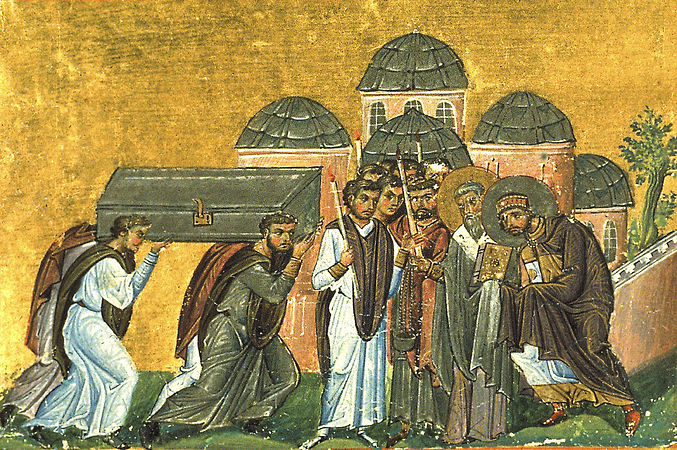
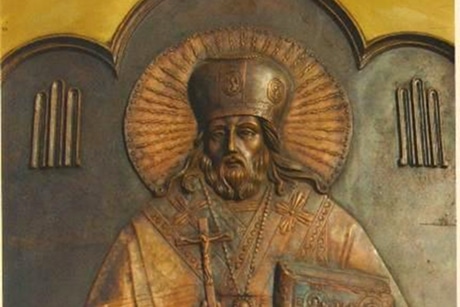
Saint John Chrysostom, archbishop of Constantinople (407); holy martyrs Antoninus, Nicephorus and Germanus, holy martyr Manathas, in Caesarea of Palestine (c. 308); Saint Mitre, martyr in Aix-en-Provence (around 300); Saint Brice, bishop of Tours (444); Saint Quintian, bishop of Clermont (around 527); Saint Amand, bishop of Rennes (4th century); Saint Dalmas, bishop of Rodez (around 580); Saint Maxellende, virgin, martyr at Cambrai (around 670); holy monk and neo-martyr Damascene of Constantinople (1681).
SAINT JOHN CHRYSOSTOM A radiant star in the firmament of the saints, column of the Church and doctor of the universe, Saint John was born around 349 in Antioch, to Christian parents: Secundus - who was general of the army stationed in Syria - and Anthouse, an admirable woman of faith and piety. She became a widow when she was barely twenty years old and, instead of remarrying, she preferred to devote the rest of her life to God and the education of her son. She inspired in John the love of chastity and planted in him the seeds of virtues. He himself also demonstrated a nature ardent for piety and justice, an intrepid zeal and unwavering courage. His mother gave him a careful education in Hellenic letters with the best masters, including the famous Libanios. His gifts for oratory were such that it was thought to make him a brilliant lawyer for service in the imperial chancery, and Libanios desired to have him as his successor. But John did not let himself be caught up in the vanities of the world. Baptized at the age of eighteen, and ordained reader some time later, he then turned to true Philosophy, that of the saints. From the time of his baptism, no one ever heard him utter insults, lies, slander, or even indulge in mockery or criticism of his neighbor. He truly clothed himself in Christ, adorning himself with the adornment of virtues through intense and daily combat. Following the example of his friend Basil, with whom he shared the same love of God, he abandoned all worldly relations to retire to the family home and practice asceticism. Very severe towards himself, the young man devoted himself ardently to fasting, vigil and prayer, without ever allowing himself any distraction. He remained permanently alone with God in silence, careful to repel the impulses of pleasure as well as those of anger. He did so well that he acquired very early the ability to pray without distraction and to maintain in all circumstances an impassive intelligence and an unwavering gentleness. When, later, he happened to lose his temper in his sermons, it was always for the correction of his flock and without ever losing his sovereign self-control. When he reached the age of twenty-five, the reputation of his virtue had already spread and the bishop of Antioch wanted to make him a priest, but the humble John, frightened by the formidable grandeur of this office, preferred to flee and, thanks to a holy ruse, managed to have his friend Basil ordained in his place.