November 11 (old calendar) / November 24 (new)translated
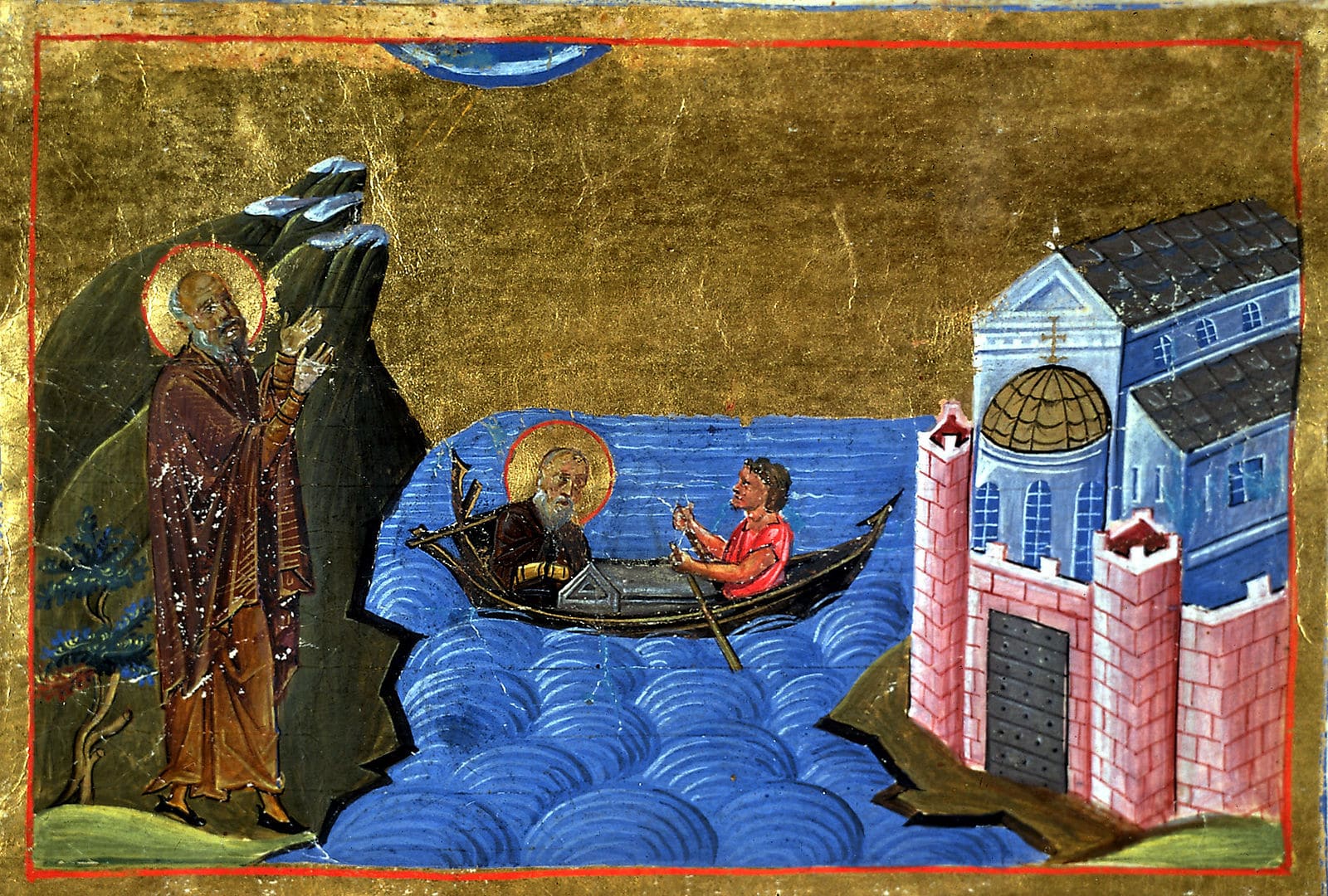
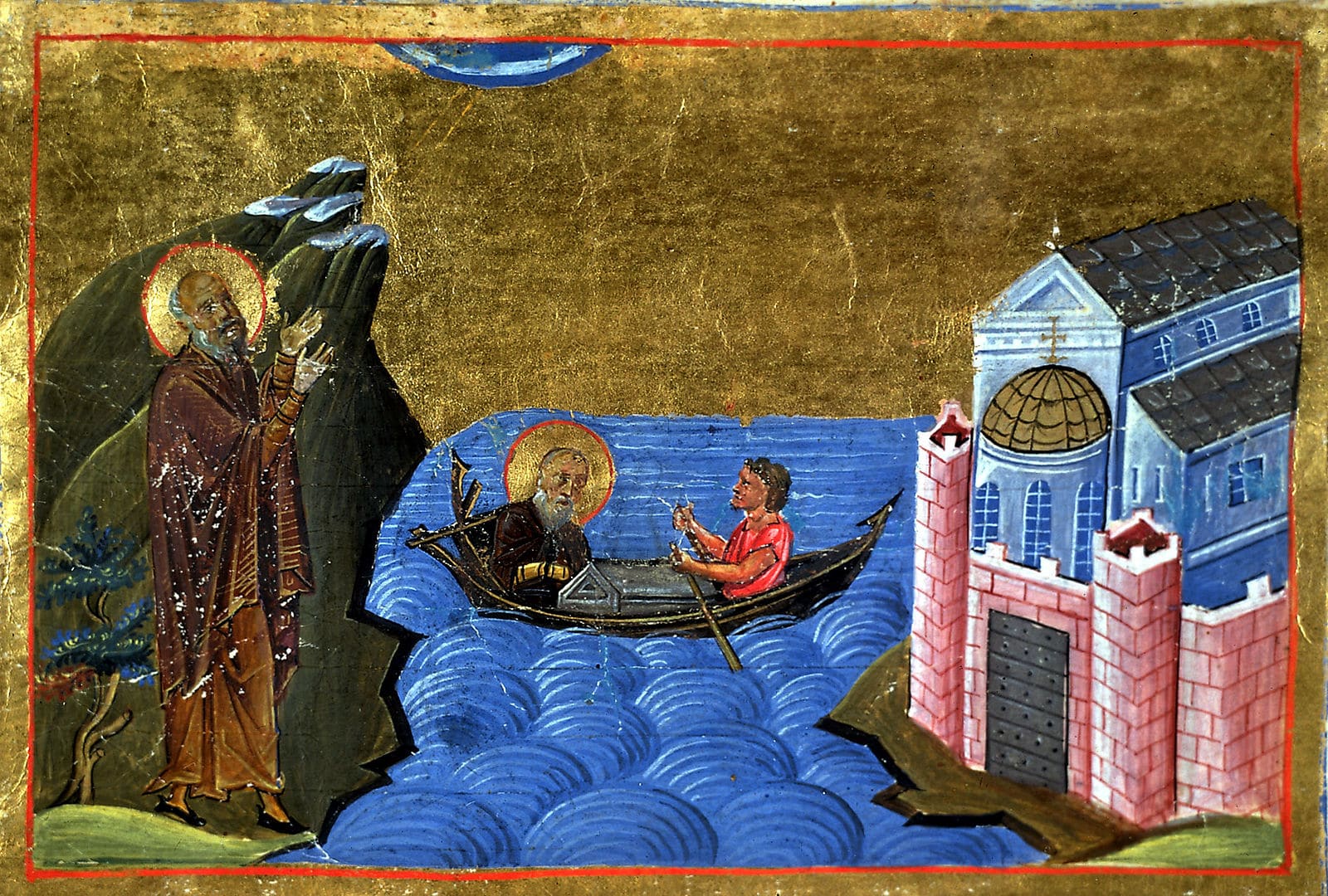
Saint Menas, megalomartyr in Phrygia (304); Saint Victor, martyr in Damascus (2nd century); Saint Vincent of Zaragoza, deacon, martyr in Valencia (304); Saint Stephanides, martyr in Syria (2nd century); Saint Martin the Merciful, Bishop of Tours (397); Saint Véran, bishop of Vence (449); Saint Berthuin, founding bishop of the Abbey of Malone in Belgium (698); Saint Theodore the Studite, confessor (826); Saint Stephen of Detchani (1336); Saint Maximus, Fool in Christ of Moscow (1434); Saint Martyrios of Zélénets (1603); saint neo-martyr Eugene (Vassiliev), priest (1937).
SAINT MARTIN THE MERCIOUS, BISHOP OF TOURS
Son of an officer of the Roman legions, Saint Martin was born in 316 in Sabaria in Pannonia (Hungary), where his father was in garrison. However, he was raised in his family's homeland, in Pavia (Italy), and he was, according to current custom, also destined to serve in the arms. From the age of ten, although his parents were pagans, the young boy asked to be received as a catechumen. Two years later, having heard of the exploits of the solitary people of the East, he dreamed of leaving far from the troubles of the world to lead a monastic life, but he had to submit to the will of his parents and was enlisted in the army. His profession did not, however, prevent him from practicing the holy evangelical virtues. At the age of eighteen, while he was in garrison at Amiens in Gaul, one winter day he encountered a poor man naked and shivering from the cold at the gates of the city. Seeing that no one was moved with compassion at this spectacle, and although he had only his cloak on him, having already distributed what he had in alms, the servant of God seized his sword, cut his cloak in the middle, gave part of it to the poor man and put on the rest, despite the jeers of those around him. The following night, he saw Christ appear to him, dressed in the part of the mantle with which he had covered the poor man, and he heard him say to the multitude of angels who surrounded him: “Martin, still a catechumen, covered me with this garment. » Martin was baptized shortly after this event, and immediately wanted to leave the army to become a monk. However, he had to give in to the entreaties of his tribune and remained in the world, while deep down being a monk. He did not obtain his leave until many years later, when he had become an officer of the imperial guard (July 356). He then rushed to Poitiers, to attach himself to the person of the great Saint Hilary [Jan. 13], the counterpart of Saint Athanasius for the West, who, before being sent into exile in Phrygia, conferred on him the ministry of exorcist and gave him his blessing to go and live alone in a secluded place. Before carrying out his project, Martin left for Pannonia, in order to convert his elderly parents. He brought his mother to the faith and, finding these regions of Illyricum agitated by the after-effects of Arianism, he engaged almost alone in the fight against the heretics, as a faithful disciple of his spiritual father Hilary.