10 years a saint: The truth about Mother Teresa’s care for the dying
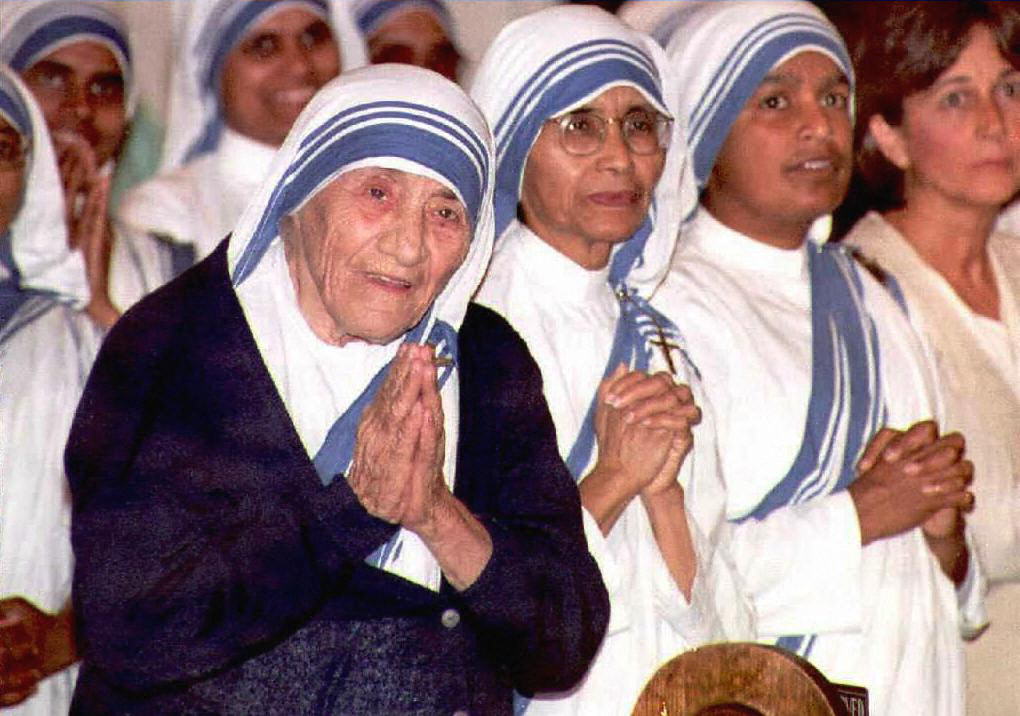
Sept. 4 marks the 10-year anniversary of the canonization of Mother Teresa, a saint whom Pope John Paul II called “an icon of the Good Samaritan” who lived her life “as a total gift to the poor.”
The nun was world famous for having established a network of houses in some of the most destitute regions in the world, including her “home for the dying” in Kalighat, Calcutta.
That hospice center, which is still operating today, cares for those who have nowhere else to go, including many dying individuals, with the religious sisters there working to serve Jesus “hidden under the distressing disguise of the poorest of the poor,” as John Paul II put it.
Yet though Mother Teresa was hailed for her lifetime of sacrifice and her relentless commitment to caring for the poor, she has periodically come under fire by some critics who allege that she did not effectively minister to impoverished people, including by allegedly denying painkillers to those suffering greatly while dying in her care.
Those allegations were espoused most famously by Christopher Hitchens, the outspoken British atheist who visited the Kalighat house and later wrote critically about the standard of care…